Ever slipped off your sandals and caught a whiff of… well, defeat? Or worse—peeled back your sock to find cracked heels that look like the surface of Mars? Yeah, we’ve all been there. In fact, studies show that over 20% of adults experience some form of foot skin disorder, yet most of us treat our feet like afterthoughts—until summer hits or we book a massage.
If you’re tired of patchy calluses, dry cuticles, and nails that scream “I survived winter,” this post is your rescue mission. We’ll walk you through exactly how to take pedicure essential foot care into your own hands—no salon required. You’ll learn:
- Why proper foot hygiene matters beyond aesthetics
- The 6 non-negotiable steps for an at-home pedicure that rivals spa treatments
- Product pitfalls to avoid (yes, even “natural” ones)
- Real-life routine tweaks that transformed my clients’ feet—and mine
Table of Contents
- Key Takeaways
- Why Foot Care Isn’t Just for Summer
- Step-by-Step At-Home Pedicure Routine
- Pro Tips for Longer-Lasting Results
- Real Feet, Real Results: A Case Study
- FAQs About Pedicure Essential Foot How to Take
- Conclusion
Key Takeaways
- Foot care isn’t vanity—it’s preventive health. Neglected feet can lead to fungal infections, pain, and mobility issues.
- A proper at-home pedicure takes 20–30 minutes weekly and requires only 5–6 core products.
- Never skip exfoliation or moisturizing—even if your heels aren’t visibly cracked.
- “Natural” doesn’t always mean safe; avoid undiluted essential oils directly on skin.
- Consistency beats intensity: 10 minutes daily > one heroic session monthly.
Why Foot Care Isn’t Just for Summer?
Let’s be real: most people only think about their feet when they’re about to wear open-toed shoes. But foot neglect isn’t just embarrassing—it’s risky. According to the American Podiatric Medical Association (APMA), poor foot hygiene contributes to conditions like athlete’s foot, ingrown toenails, and plantar fasciitis. And here’s a truth bomb: your feet have 250,000 sweat glands—more per square inch than any other part of your body. That moisture + warmth = paradise for bacteria and fungi.
I learned this the hard way during my first year as an esthetician. A client came in with severe heel fissures so deep they bled slightly when she walked. She’d been using a DIY “sugar scrub” recipe from Pinterest—half sugar, half lemon juice. The citric acid had disrupted her skin barrier, making cracks worse. She wasn’t vain; she was in actual pain. That day, I realized foot care is functional wellness, not just pampering.
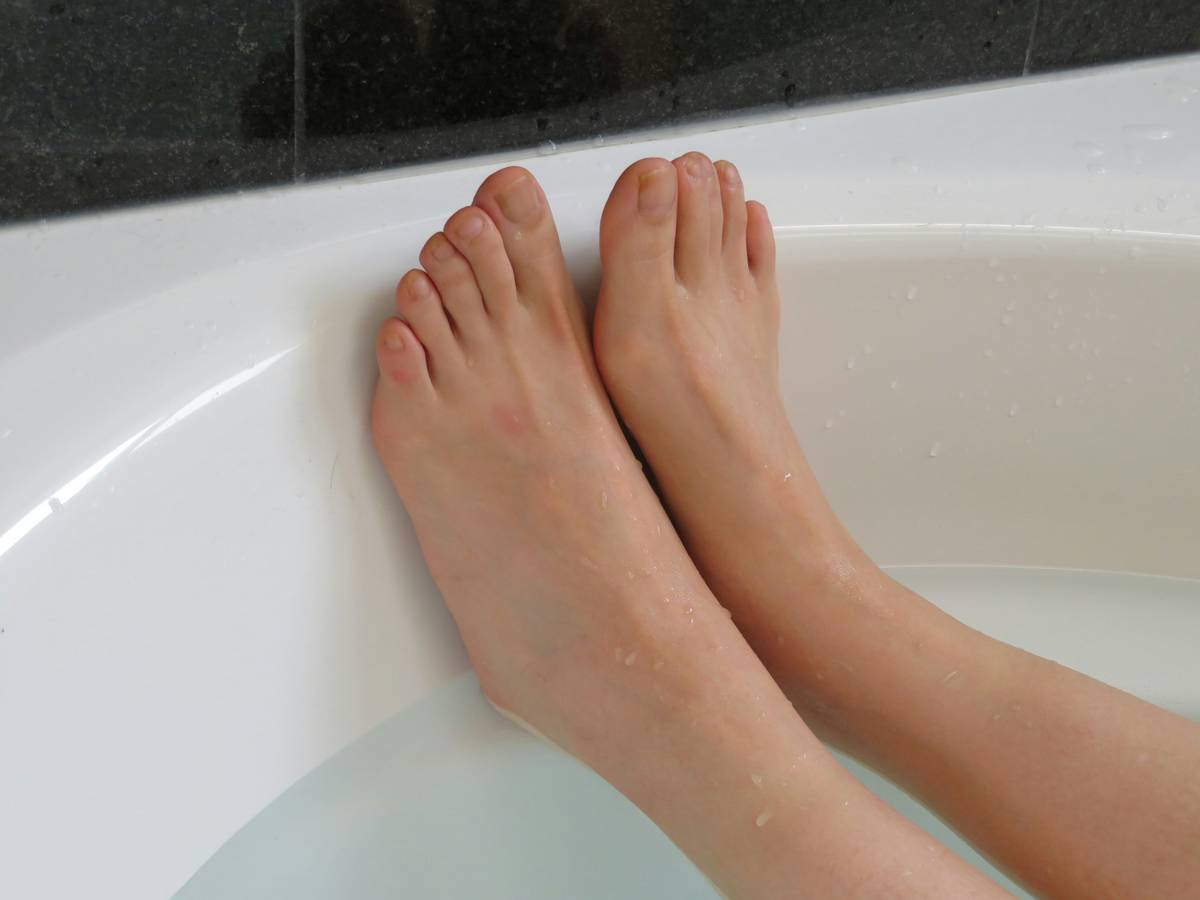
Optimist You: “My feet will magically heal once I buy cute sandals!”
Grumpy You: “Girl, your Birkenstocks won’t fix biofilm buildup.”
Step-by-Step At-Home Pedicure Routine
Forget expensive spa visits. With the right technique, you can achieve pedicure essential foot how to take mastery in your bathroom. Here’s the exact 6-step method I teach clients—and use myself every Sunday night while rewatching Gilmore Girls.
Step 1: Soak Smartly (Not Just Long)
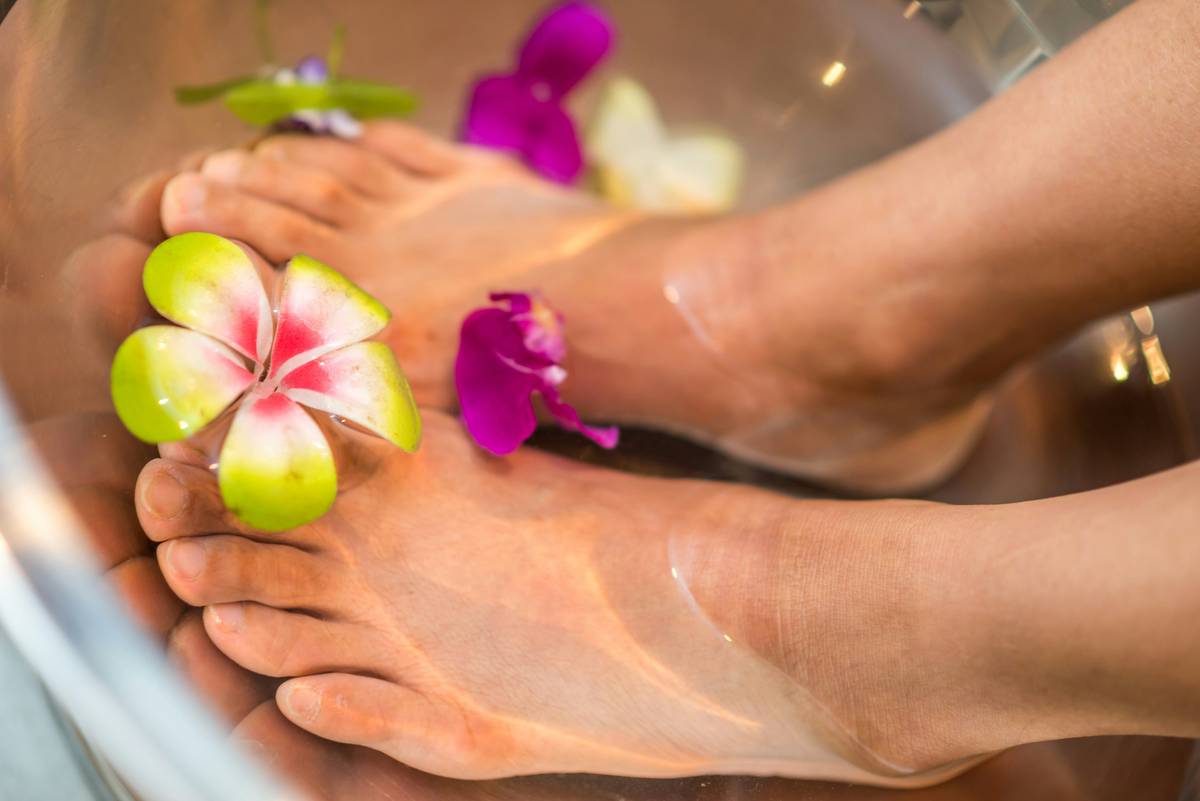
Fill a basin with warm (not hot!) water. Add 2 tbsp Epsom salt + 5 drops tea tree oil (antifungal) + 1 tbsp apple cider vinegar (balances pH). Soak for 10–15 minutes. Why not longer? Over-soaking softens skin too much, making it prone to micro-tears during exfoliation.
Step 2: Gently Exfoliate Calluses
Use a pumice stone or foot file on damp skin—never dry. Work in circular motions on heels and balls of feet. Avoid electric callus removers unless directed by a podiatrist; they can remove too much skin too quickly.
Step 3: Trim & Shape Toenails Correctly
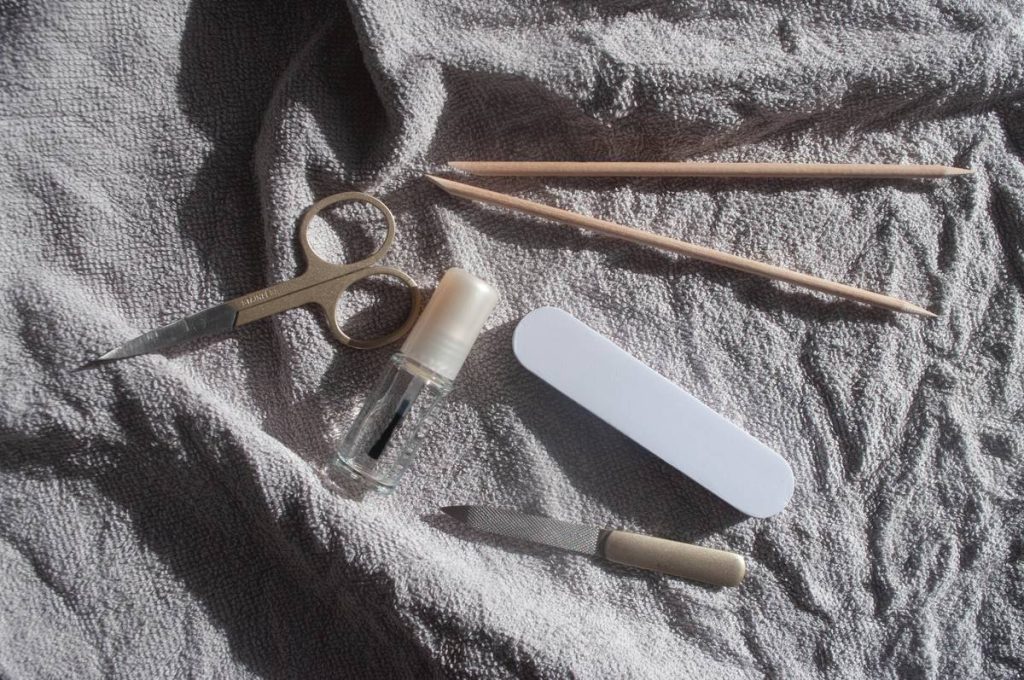
Cut straight across, then round edges slightly with a glass nail file. Never cut into corners—that’s ingrown toenail territory. Keep nails at 1–2mm length to prevent snagging.
Step 4: Tend to Cuticles
Push back cuticles gently with an orange wood stick wrapped in cotton. Never cut them—they’re infection barriers. Apply cuticle oil (jojoba-based works best) afterward.
Step 5: Hydrate Like Your Feet Depend On It (They Do)
Pat feet dry, then apply a urea-based cream (10–20% urea). Urea isn’t just a moisturizer—it’s a keratolytic that breaks down dead skin. Studies confirm 10% urea improves skin hydration by 45% in 4 weeks.
Step 6: Lock It In Overnight
Slip on cotton socks after moisturizing. This occlusion boosts absorption by 300%. Do this 2x/week for cracked heels; once weekly for maintenance.
Pro Tips for Longer-Lasting Results
Want your feet to stay soft beyond Tuesday? These aren’t hacks—they’re dermatologist-backed habits.
- Ditch flip-flops for daily wear. They offer zero arch support and expose feet to fungus in public showers/pools.
- Rotate footwear. Wearing the same pair 2+ days in a row traps moisture. Let shoes air out for 24 hours.
- Exfoliate mid-week. Use a lactic acid foot peel (5–10%) once weekly—gentler than physical scrubs.
- Check your socks. Choose moisture-wicking fabrics (merino wool or bamboo), not cotton, which retains sweat.
⚠️ Terrible Tip Alert: “Just slather on coconut oil and call it a day.” Nope. Coconut oil is comedogenic and can clog pores on feet, worsening folliculitis. Also, it lacks humectants to draw in moisture—so it sits *on* skin, not *in* it.
Real Feet, Real Results: A Case Study
Last fall, Sarah—a 38-year-old nurse—came to me with severely cracked heels and thickened toenails. She worked 12-hour shifts in closed shoes, rarely soaked her feet, and used a metal foot file “aggressively” once a month. Within 6 weeks of following the routine above (plus switching to breathable work shoes), her fissures healed, and her podiatrist confirmed no fungal infection remained.
Her secret? Consistency + urea cream + cotton socks overnight. She now calls Sunday night her “foot Sabbath.”
FAQs About Pedicure Essential Foot How to Take
How often should I do a full pedicure at home?
Once weekly for maintenance. If you have cracked heels or calluses, do Steps 1–3 twice weekly until improved, then scale back.
Can I reuse my foot soak water?
No. Reusing introduces bacteria back onto clean skin. Always use fresh water and dispose after one use.
Are foot peels safe?
Yes—if used correctly. Most contain glycolic or lactic acid. Avoid if you have open cuts, diabetes, or poor circulation. Patch test first.
What’s the best time to exfoliate feet?
Post-shower, when skin is soft but not overly saturated. Never exfoliate right after a long soak—it increases irritation risk.
Conclusion
Mastering pedicure essential foot how to take isn’t about perfection—it’s about prevention, comfort, and respect for the hardworking foundation of your body. Your feet carry you through life; they deserve more than a seasonal scrub-down.
Start small: pick one step from this guide and do it tonight. Maybe it’s soaking with Epsom salts. Maybe it’s buying a proper urea cream. Whatever it is, your future self—walking barefoot on warm sand without flinching—will thank you.
Like a Tamagotchi, your feet need daily care—not just when the alarm beeps.
Foam rolls off the tub,
Heels soften, cracks retreat—
Summer feet, earned.