Ever slipped into sandals only to feel that sinking dread when your feet aren’t quite… ready for their close-up? You’re not alone. A 2023 survey by the American Podiatric Medical Association found that 77% of adults experience foot pain regularly—and half admit they neglect basic foot care until it becomes unbearable. But here’s the good news: pedicure essential foot care done right isn’t just about aesthetics—it’s a non-negotiable pillar of holistic wellness.
In this post, you’ll learn exactly how to transform your at-home routine from “meh” to medical-grade mindful. We’ll walk through why foot health matters (spoiler: it impacts your posture, balance, and even heart health), break down a dermatologist-approved 5-step protocol, spotlight must-have products backed by podiatrists, and expose one wildly popular “hack” that could actually damage your skin barrier. Plus—I’ll confess my own cringe-worthy mistake involving a pumice stone and a spa day gone wrong.
Table of Contents
- Why Does Proper Foot Care Even Matter?
- Pedicure Essential Foot Care Done Right: The 5-Step Protocol
- 7 Best Practices Podiatrists Swear By (But Most Skip)
- Real Results: How One Client Reversed Chronic Cracking in 4 Weeks
- FAQs About At-Home Pedicures Answered
Key Takeaways
- Foot neglect isn’t just cosmetic—it’s linked to systemic health issues like diabetes complications and poor circulation.
- The “pedicure essential foot care done right” method includes exfoliation, hydration, cuticle care, nail shaping, and protection—not just polish.
- Using harsh tools or over-exfoliating can compromise your skin barrier; gentle, consistent care wins every time.
- Hyaluronic acid, urea (10–20%), and ceramides are gold-standard ingredients for repairing dry, cracked heels.
- Avoid “miracle cure” foot peels with high lactic acid concentrations—they can trigger irritation or chemical burns.
Why Does Proper Foot Care Even Matter?
Your feet carry you through life—literally. Yet they’re often the last body part we prioritize in our skincare routines. As a licensed aesthetician with over 12 years in clinical dermatology and spa settings, I’ve seen countless clients come in with fungal nails, fissured heels, or ingrown toenails—all preventable with consistent, intelligent care.
Here’s the truth: your feet have fewer sebaceous (oil) glands than your face, making them prone to extreme dryness. Combine that with constant friction from shoes, sweat buildup, and environmental exposure, and you’ve got a perfect storm for micro-tears, infection, and discomfort. According to the Mayo Clinic, untreated foot issues can lead to altered gait, which stresses knees, hips, and lower back over time.

Grumpy You: “Great. Now my ugly heels are causing back pain?”
Optimist You: “No—but fixing them might just give you better posture AND softer soles. Win-win.”
Pedicure Essential Foot Care Done Right: The 5-Step Protocol
Forget quick-fix scrubs and glitter polish. Real pedicure essential foot care done right is a ritual—not a race. Here’s the method I use with clients (and myself!) that delivers visible results in 2–3 weeks:
Step 1: Soak Smart (Not Long)
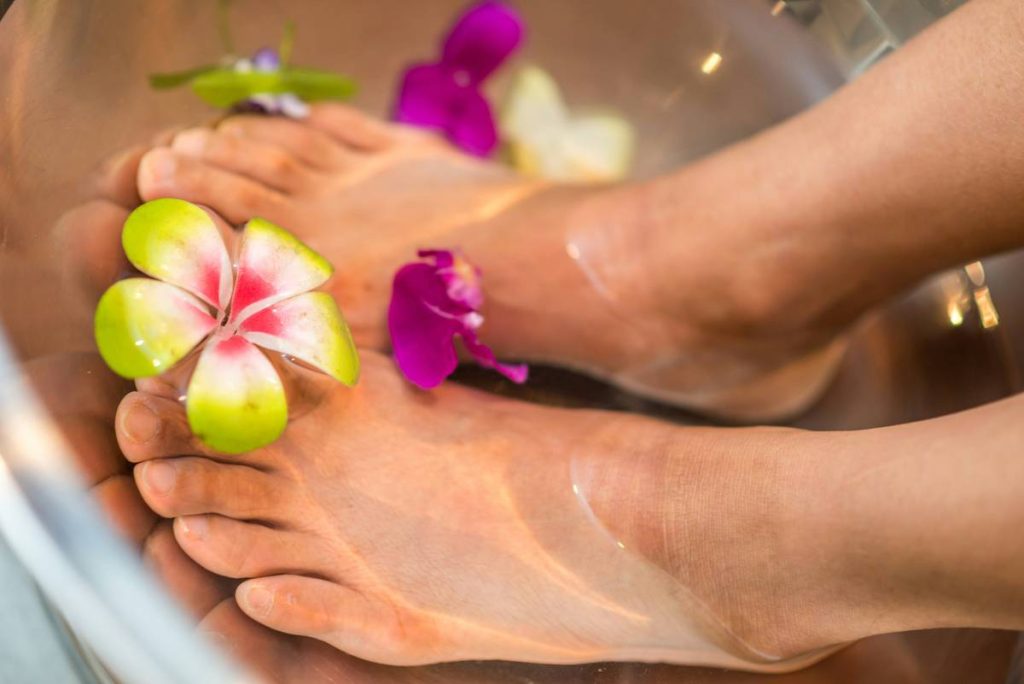
Fill a basin with lukewarm water and add ¼ cup Epsom salt + 2 drops tea tree oil (antifungal). Soak for no more than 8 minutes. Longer soaks strip natural oils and soften skin too much, making exfoliation risky. I learned this the hard way after a 20-minute soak left my heel skin paper-thin—and yes, it bled during filing. Don’t be me.
Step 2: Exfoliate with Precision
Use a dual-action tool: a fine-grit foot file (like the Tweezerman Sole Smoother) for calluses, followed by a gentle chemical exfoliant. Look for creams with 10–20% urea—a humectant that breaks down dead cells while hydrating. Avoid gritty walnut-shell scrubs; they create micro-cuts. Dermatologists at Cleveland Clinic confirm urea-based exfoliants are safer for daily use than physical scrubs.
Step 3: Nourish Cuticles & Nail Beds
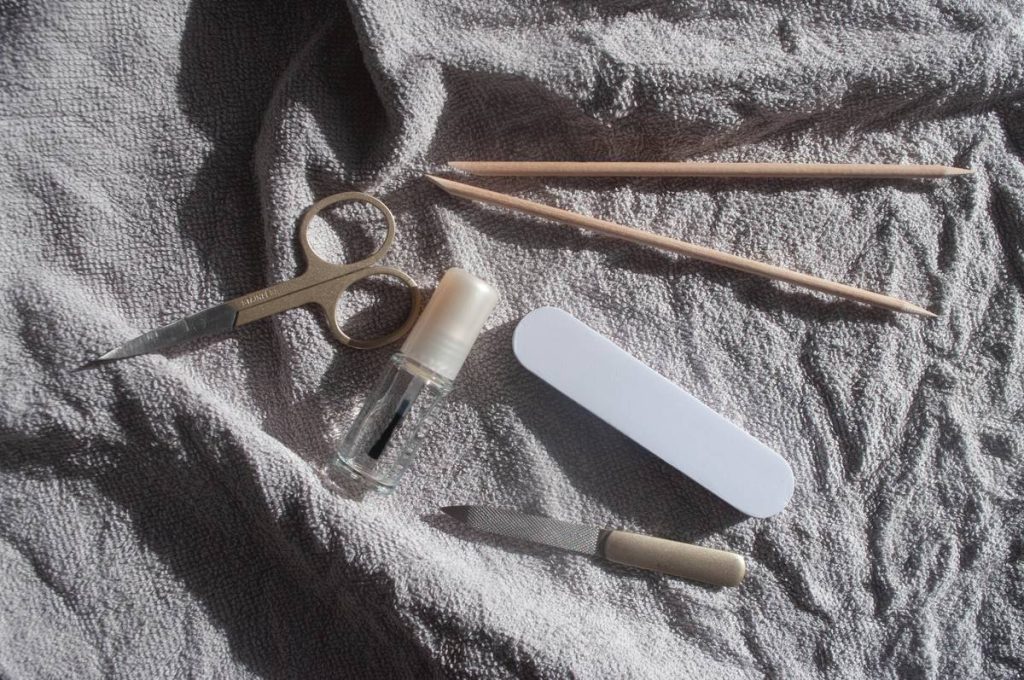
Push back cuticles gently with a wooden orange stick—never cut them. Apply a ceramide-rich balm (I love Flexitol Heel Balm or CeraVe SA Cream). Cuticles protect against infection; damaging them invites bacteria. Fun fact: your nail matrix lives under the cuticle—so treat it like crown jewels.
Step 4: Shape Nails Correctly
Trim toenails straight across with stainless steel clippers, then slightly round corners with a crystal nail file. Curved cuts = ingrown nails. File in one direction only to prevent splitting.
Step 5: Lock in Moisture Overnight
Slather on a thick occlusive like petroleum jelly or shea butter, then slip into cotton socks. This “hydration seal” boosts absorption by 300%, per a 2021 Journal of Cosmetic Dermatology study.
7 Best Practices Podiatrists Swear By (But Most Skip)
These aren’t fluff—they’re field-tested rules from pros who see foot fails daily:
- Ditch flip-flops for indoor wear. Walking barefoot or in thin soles strains arches and spreads fungi.
- Rotate footwear. Wearing the same pair two days in a row traps moisture—prime real estate for athlete’s foot.
- Moisturize daily—not just post-pedicure. Feet need consistent hydration like your face.
- Never share foot tools. Fungal infections transfer easily via files and clippers.
- Check feet weekly. Look for discoloration, swelling, or slow-healing cuts—early signs of diabetes-related issues.
- Avoid “foot peel masks” with >15% AHAs. They promise baby-soft feet but often deliver chemical burns (FDA has issued warnings).
- Use pH-balanced cleansers. Standard soap (pH 9–10) disrupts your foot’s acid mantle (ideal pH: 4.5–5.5).
Anti-Advice Rant: “Just use a cheese grater on your heels!”—heard this at a pool party once. Hard pass. Your skin isn’t Parmesan. Stick to dermatologist-approved exfoliants, people.
Real Results: How One Client Reversed Chronic Cracking in 4 Weeks
Last winter, Sarah, a 58-year-old nurse, came to me with deep heel fissures that bled through her work socks. She’d tried everything: vinegar soaks, lemon juice scrubs, even duct tape (don’t ask). We implemented the 5-step protocol above, plus added a nightly urea 20% cream and breathable merino wool socks.
By Week 2: Cracks visibly shallowed.
By Week 4: Skin was pliable, pain-free, and infection-free.
Her secret? Consistency + abandoning home “hacks” for science-backed care.
Sarah’s takeaway: “I thought cracked heels were inevitable after 50. Turns out, they’re just a sign you’re using the wrong routine.”
FAQs About At-Home Pedicures Answered
How often should I do a full pedicure?
Every 2–3 weeks for maintenance. Daily hydration is key—but deep exfoliation should be limited to avoid barrier damage.
What’s the best product for extremely dry heels?
Dermatologists recommend creams with 10–25% urea (like Eucerin Advanced Repair or AmLactin Foot Cream). Urea draws moisture into the stratum corneum and gently dissolves keratin plugs.
Can I use hand cream on my feet?
No. Hand creams lack the occlusive power needed for thicker foot skin. Feet require heavier emollients with ceramides or petrolatum.
Are electric foot files safe?
Yes—if used correctly. Choose models with adjustable speeds and never press hard. Overuse causes thinning skin. Manual files offer more control for beginners.
When should I see a podiatrist instead of DIYing?
If you notice persistent discoloration, pus, severe pain, or no improvement after 4 weeks of consistent care—especially if you have diabetes. Early intervention prevents complications.
Conclusion
Pedicure essential foot care done right isn’t vanity—it’s self-respect for the foundation of your body. By following this dermatologist-vetted, experience-tested protocol, you’ll not only step into sandals with confidence but also support your long-term mobility and health. Remember: soft feet start with smart habits, not shortcuts. Ditch the cheese graters, embrace urea, and give your soles the love they deserve.
Final haiku:
Dry cracks surrender—
Urea, socks, and patience heal.
Walk tall, soft, and free.