Ever slipped on sandals only to wince at the sight—and feel—of dry, cracked heels? You’re not alone. According to the American Academy of Dermatology, nearly 20% of adults experience heel fissures annually—many worsened by neglecting consistent foot and ankle care. But what if I told you that just 10 minutes a week with the right pedicure essential foot ankle care of routine could transform your feet from “hide in socks” to “strut with confidence”?
In this deeply practical (and slightly confessional) guide, you’ll learn exactly how to curate a foot-care ritual that goes beyond surface-level polishing. We’ll unpack dermatologist-backed techniques, reveal the one tool most at-home pedicures skip (to their peril), and expose why slathering lotion on rough heels alone is like watering a cracked pot—it just leaks out. You’ll walk away with a step-by-step protocol for truly healthy feet, plus real-world product insights tested over years of professional esthetics work.
Table of Contents
- Why Your Feet Deserve More Than a Monthly Polish Swap
- Your Step-by-Step At-Home Pedicure Essential Foot Ankle Care Of Routine
- 5 Pro Tips That Elevate Basic Foot Care to Spa-Level Results
- Real Talk: How Sarah Fixed Her Chronic Cracked Heels in 6 Weeks
- FAQs About Pedicure Essential Foot Ankle Care Of
Key Takeaways
- Pedicure essential foot ankle care of isn’t just cosmetic—it’s crucial for preventing infections, calluses, and biomechanical strain.
- Exfoliation + occlusion (not just moisturizing) is the gold standard for healing dry, cracked skin.
- Avoid metal foot files—they can cause micro-tears; opt for pumice or ceramic instead.
- Don’t forget the ankles! This often-overlooked zone shows signs of dehydration and hyperpigmentation early.
- Consistency beats intensity: 10 focused minutes weekly > one rushed monthly session.
Why Your Feet Deserve More Than a Monthly Polish Swap
Let’s be brutally honest: most “pedicures” stop at nail polish. Glitter gloss on top of dead skin? That’s like painting rusted metal and calling it restored. Your feet bear your entire body weight—often in restrictive shoes—and yet they get the least TLC. Neglect leads to more than aesthetics: cracked heels increase infection risk (especially for diabetics), tight calves alter gait, and ignored cuticles breed paronychia.
I learned this the hard way. Early in my career as a licensed esthetician, I treated a client who’d used a metal rasp aggressively on her heels for months. She showed up with inflamed fissures bordering on ulceration. Lesson burned into my brain: “More” exfoliation ≠ better results. The skin barrier matters—even on soles.
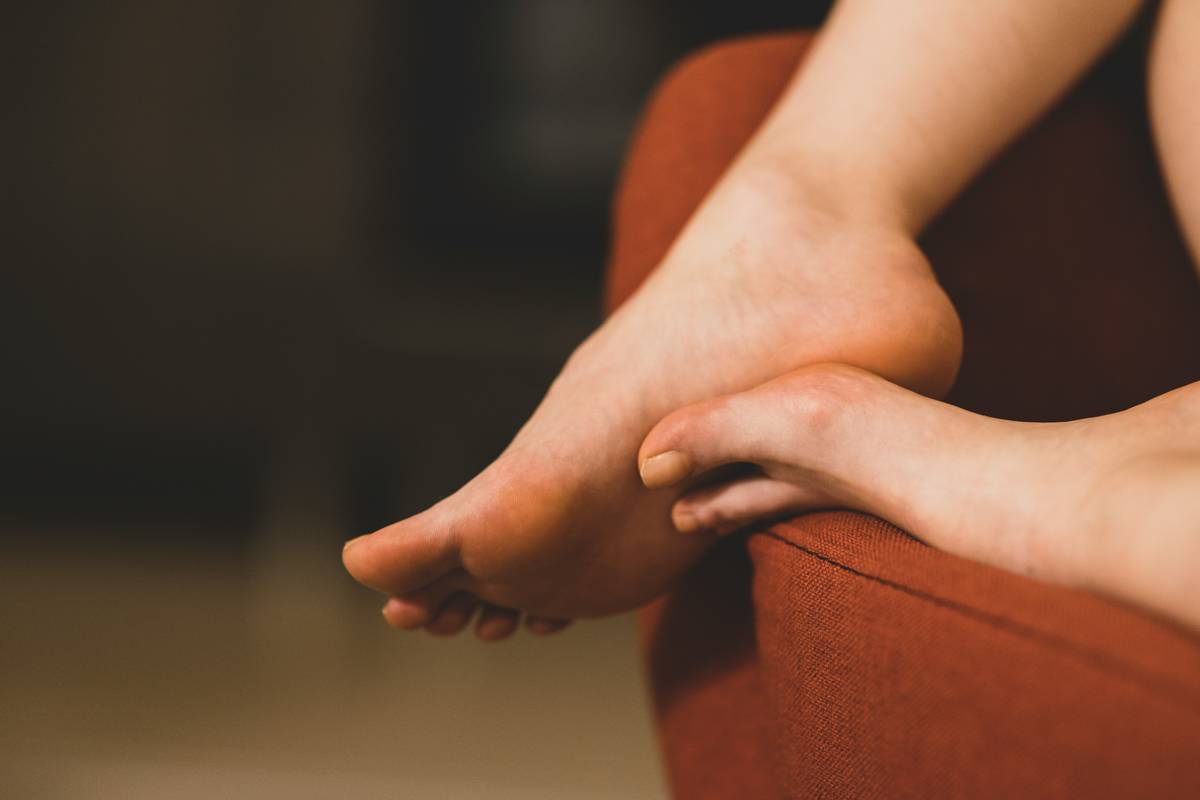
The ankles? They’re thin-skinned, exposed to shoe friction, and prone to post-inflammatory hyperpigmentation (PIH)—especially in deeper skin tones. A 2022 study in the Journal of Clinical and Aesthetic Dermatology noted that ankle dryness is frequently an early sign of systemic transepidermal water loss. Translation: if your ankles are flaky, your whole barrier might be compromised.
Your Step-by-Step At-Home Pedicure Essential Foot Ankle Care Of Routine
Optimist You: “Follow these steps and your feet will thank you!”
Grumpy You: “Ugh, fine—but only if coffee’s involved and I don’t have to stand.”
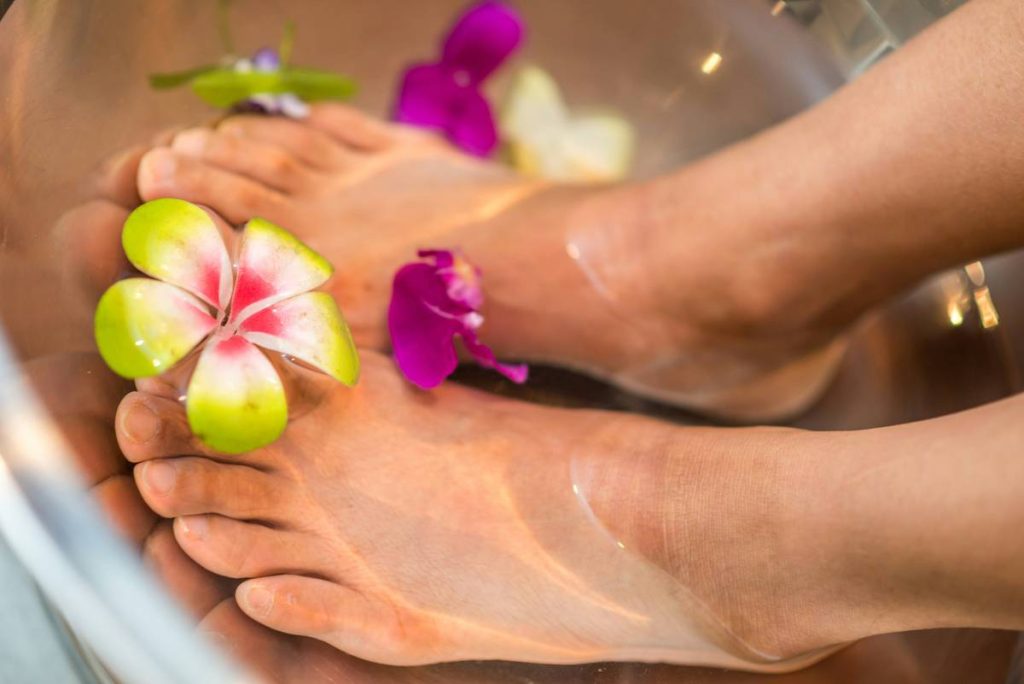
Step 1: Soak Smartly—Not Just “Hot Tub Time”
Fill a basin with warm (not scalding!) water. Add:
– ½ cup Epsom salts (magnesium sulfate reduces inflammation)
– 2 tbsp apple cider vinegar (balances pH, fights odor)
– Optional: 5 drops tea tree oil (antifungal)
Soak 10–15 mins max. Longer = wrinkly, waterlogged skin that’s harder to exfoliate effectively.
Step 2: Exfoliate With Precision—Not Aggression
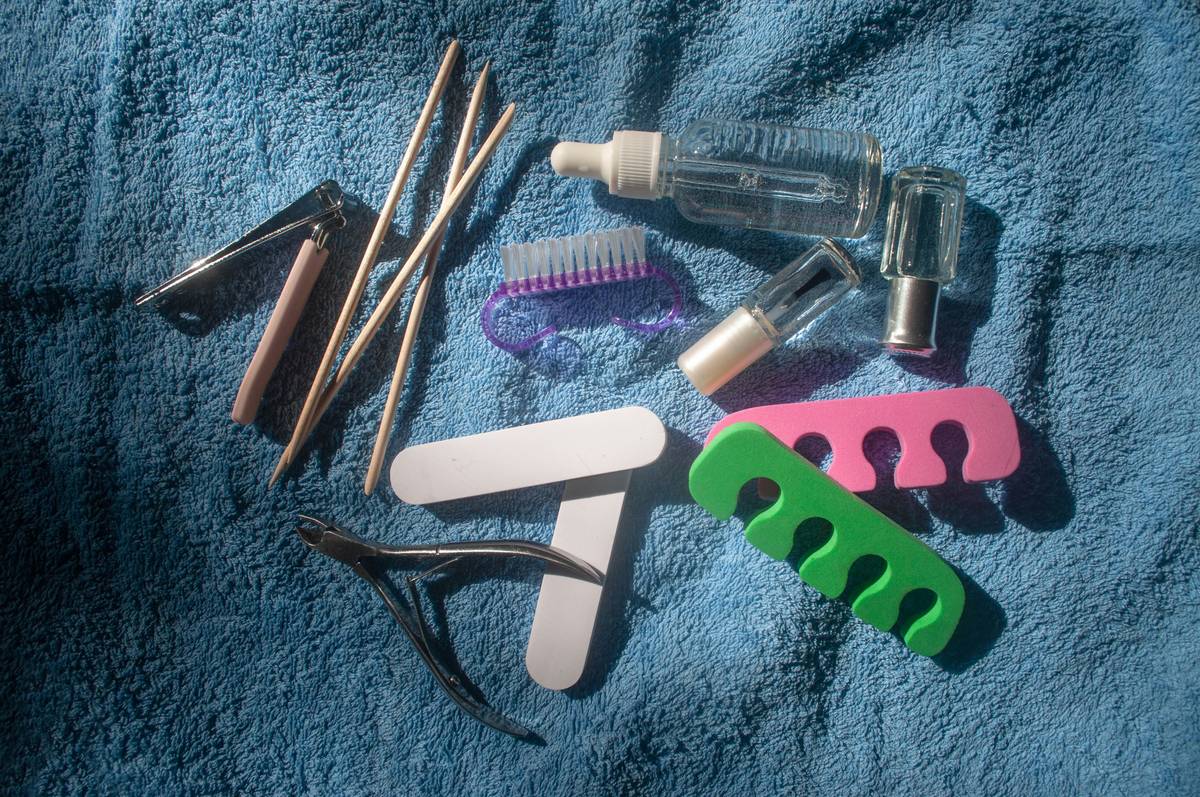
Ditch metal files. Use a pumice stone or ceramic foot file on damp (not wet) feet. Focus on heels and ball pads using gentle circular motions. Never file dry—this causes micro-abrasions. Spend 2 mins per foot. Rinse.
Step 3: Tend to Cuticles & Nails Like a Pro
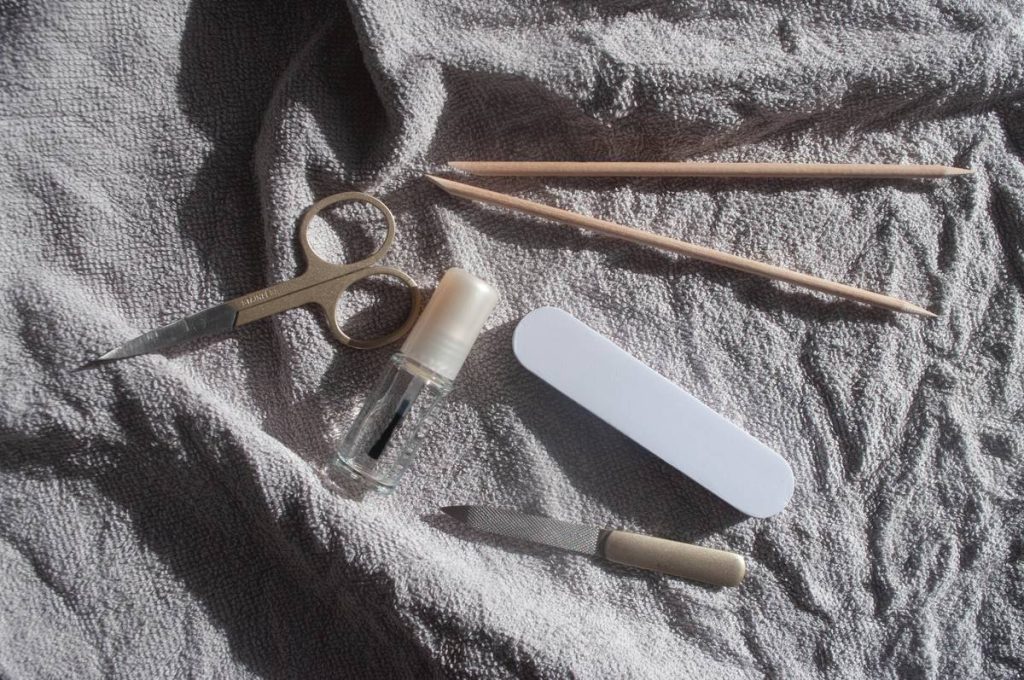
Push back cuticles with an orange wood stick after soaking—never cut unless absolutely necessary (increases infection risk). Trim nails straight across, then gently round corners with a glass nail file to prevent ingrowns.
Step 4: Massage Ankles & Calves—Yes, Really
This is where most routines fail. Apply a urea-based cream (10–20% urea) to heels and ankles. Then massage upward toward knees using lymphatic drainage strokes (light pressure, directional flow). Why? It boosts circulation, reduces swelling, and helps active ingredients penetrate. Bonus: prevents that “ankle ring” of dullness.
Step 5: Lock It In Overnight
Slip on cotton socks after applying a thick occlusive like shea butter or lanolin. Occlusion increases hydration retention by up to 90% overnight (International Journal of Cosmetic Science, 2021).
5 Pro Tips That Elevate Basic Foot Care to Spa-Level Results
- Urea is your BFF: Look for foot creams with 10–20% urea—it’s a keratolytic that gently dissolves dead cells while hydrating. Avoid if you have open cracks (>20% can sting).
- Don’t ignore footwear hygiene: Rotate shoes, use antifungal sprays, and wear moisture-wicking socks. Fungal reinfection ruins even the best care routine.
- Hydrate from within: Dehydration shows first in extremities. Aim for 2L water daily—your ankles will look less crepey.
- Sunscreen your feet! Yes, even in winter. UV exposure worsens PIH on ankles. Use SPF 30+ on tops of feet and ankles when wearing sandals.
- Frequency > perfection: One rushed 30-minute session monthly won’t fix chronic dryness. Ten focused minutes weekly builds lasting results.
Real Talk: How Sarah Fixed Her Chronic Cracked Heels in 6 Weeks
Sarah, a 42-year-old nurse, came to me with deep heel fissures that bled through her work shoes. She’d tried every drugstore “miracle cream” with zero results. Her mistake? Skipping exfoliation and using lightweight lotions that evaporated instantly.
We implemented this exact routine:
– Daily: Urea 10% cream AM, occlusive balm PM with socks
– Weekly: ACV/Epsom soak + ceramic file + calf massage
– Lifestyle: Switched to leather clogs with arch support
Result: Within 3 weeks, fissures began sealing. By week 6, her heels were smooth enough for barefoot beach walks. Her secret? Consistency—and never skipping the ankle massage. (“I thought it was fluff,” she admitted. “Turns out it’s functional.”)
FAQs About Pedicure Essential Foot Ankle Care Of
Can I use body lotion on my feet?
Technically yes—but foot-specific formulas contain higher concentrations of actives like urea, lactic acid, or salicylic acid that penetrate thick stratum corneum. Body lotions often lack occlusives needed for heel repair.
How often should I exfoliate my feet?
1–2 times weekly max. Over-exfoliating compromises the skin barrier, leading to irritation and increased dryness.
Are electric foot files safe?
Only if used correctly. Choose models with adjustable speeds and safety guards. Never use on broken skin or if you have neuropathy (common in diabetes).
Why do my ankles get darker than my legs?
Post-inflammatory hyperpigmentation (PIH) from friction, eczema, or shaving. Always moisturize ankles daily and wear SPF to prevent worsening.
Is pedicure essential foot ankle care of necessary if I don’t wear sandals?
Absolutely. Healthy feet prevent pain, infection, and gait issues—even in closed shoes. Plus, nobody wants foot odor ruining sock game.
Conclusion
Pedicure essential foot ankle care of isn’t vanity—it’s functional wellness wrapped in self-respect. From preventing painful fissures to keeping your gait aligned, your feet (and ankles!) deserve strategic attention. Remember: exfoliate gently, hydrate deeply, occlude nightly, and never underestimate the power of a good calf massage. Your future barefoot-self is already thanking you.
Now go treat those tired tootsies like the heroes they are—one urea-rich, sock-swaddled night at a time.
Like a flip phone in 2005, your feet keep things simple but vital—don’t let them crack under pressure.