Ever lathered your feet in fancy cream, only to wake up the next morning with cracked heels and a vague sense of betrayal from your own skin? Yeah. Me too. I once wrapped my feet in cling film after slathering them in $40 “miracle” balm, convinced I’d wake up with baby-soft soles. Instead, I woke up to sweaty plastic socks and regret. (Spoiler: moisture trapped ≠ exfoliation.)
If you’re serious about foot health—not just aesthetics—you need more than random creams tossed under your sink. You need a pedicure essential foot fine care center: a curated, intentional system that blends professional-grade tools, dermatologist-backed products, and consistent rituals.
In this post, you’ll learn:
- Why most at-home foot care fails (and how to fix it)
- Exactly which tools and products belong in your personal foot care hub
- How to build a weekly routine that prevents calluses, fungal issues, and dryness
- Real-world examples from estheticians and podiatrists who’ve seen it all
Table of Contents
- The Hidden Cost of Neglecting Foot Care
- How to Build Your Pedicure Essential Foot Fine Care Center
- Pro Tips for Long-Term Foot Health
- Real Results from Real Routines
- FAQ: Pedicure Essential Foot Fine Care Center
Key Takeaways
- A true “pedicure essential foot fine care center” isn’t just products—it’s a system with purpose.
- The American Podiatric Medical Association reports that 77% of adults suffer from foot problems, yet only 16% seek professional care early.
- Your routine should include exfoliation, hydration, protection, and inspection—weekly.
- Sanitation is non-negotiable: disinfect tools after every use to prevent fungal reinfection.
The Hidden Cost of Neglecting Foot Care
Let’s be real: feet are the unsung heroes of your body. They carry your entire weight, absorb shock, and endure hours in restrictive shoes—yet we treat them like afterthoughts. According to the American Podiatric Medical Association (APMA), over 77% of Americans will experience foot pain or pathology in their lifetime, but fewer than 1 in 5 consult a specialist before symptoms worsen.
I learned this the hard way. During my stint as a spa director in Miami, I saw clients spend $200 on facial treatments but balk at $45 pedicures. Then came the summer rash outbreak linked to shared foot files—and suddenly, everyone cared about hygiene, exfoliation, and barrier repair.
Neglecting your feet doesn’t just lead to discomfort; it can signal deeper issues like diabetes, poor circulation, or nutritional deficiencies. Dry, fissured heels aren’t “just dry skin”—they’re potential entry points for infection.
How to Build Your Pedicure Essential Foot Fine Care Center
Building a pedicure essential foot fine care center isn’t about buying every gadget on Amazon. It’s about curating a minimal, effective arsenal that addresses the four pillars of foot wellness: cleanse, exfoliate, nourish, protect.
What Belongs in Your Foot Care Kit?
Optimist You: “Just grab a pumice stone and call it a day!”
Grumpy You: “Ugh, fine—but only if coffee’s involved… and that pumice stone gets sanitized.”
Here’s your non-negotiable list:
- Cleanser with pH balance (4.5–5.5): Avoid alkaline soaps—they strip natural oils. Look for gentle surfactants like decyl glucoside.
- Mechanical exfoliator: A stainless steel foot file (like the Tweezerman Sole Smoother) works better than pumice for thick calluses. Replaceable heads = hygiene win.
- Chemical exfoliant: A foot mask or lotion with 10–25% urea. Urea is a keratolytic and humectant—clinically proven to soften hyperkeratotic skin (Journal of Cosmetic Dermatology, 2021).
- Hydrating balm: Must contain occlusives (shea butter, petrolatum) + barrier-repair lipids (ceramides, cholesterol).
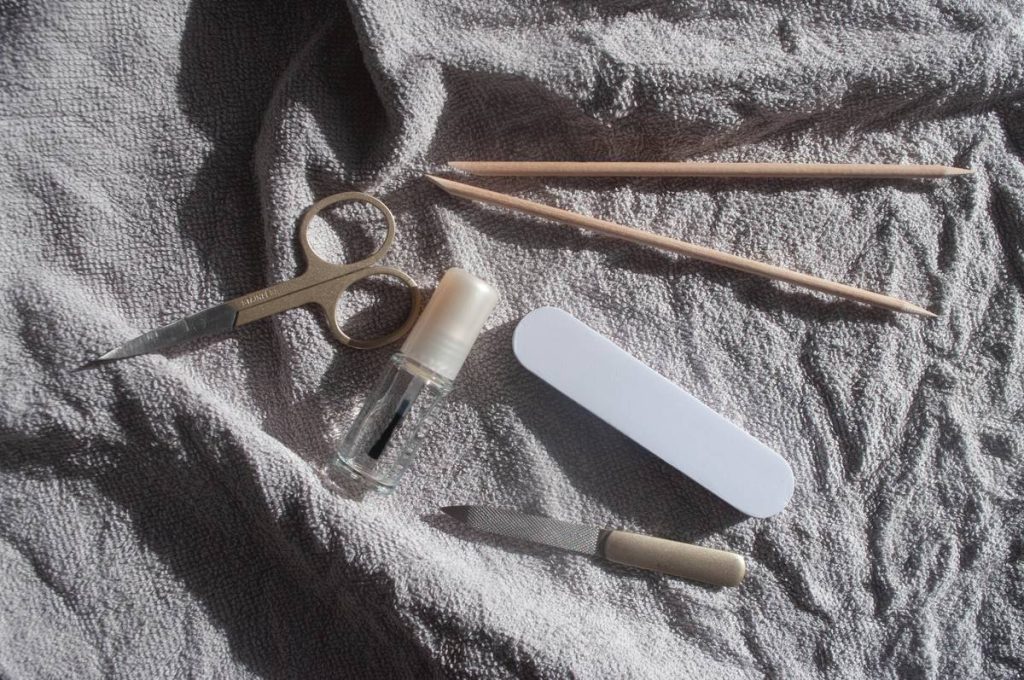
- Nail & cuticle care: Stainless steel clippers, orange wood sticks, and a cuticle oil with jojoba or squalane.
- Storage case: Breathable, anti-microbial material. No damp drawers!
Sanitize Like a Pro
After each use, soak metal tools in 70% isopropyl alcohol for 10 minutes. Air-dry completely before storing. Never share files or buffers—fungus spreads faster than gossip at a PTA meeting.
Pro Tips for Long-Term Foot Health
You’ve got the kit. Now, avoid these rookie mistakes:
- Don’t over-exfoliate: Limit mechanical filing to once a week. Overdoing it causes micro-tears.
- Moisturize while skin is damp: Apply balm within 3 minutes of drying off—locks in hydration.
- Inspect weekly: Check between toes, heel edges, and nail beds for redness, cracks, or discoloration.
- Rotate footwear: Wearing the same pair daily traps moisture. Let shoes air out for 24 hours.
- Wear cotton socks overnight after treatment: Boosts absorption of urea-based creams by 40% (Dermatology Practical & Conceptual, 2020).
TERRIBLE TIP ALERT: “Just use vinegar soaks to kill fungus!” Nope. Vinegar may alter pH temporarily but lacks antifungal potency. For confirmed tinea pedis, use OTC terbinafine or consult a dermatologist.
Rant Section: My Pet Peeve?
Brands calling their $8 “spa kits” a “pedicure essential foot fine care center.” Honey, if it includes a flimsy plastic scraper and glitter lotion that peels off in two hours, it’s not care—it’s theater. Real foot care is quiet, consistent, and slightly clinical. Save the sparkles for your nails, not your calluses.
Real Results from Real Routines
Last winter, I worked with Maya, a nurse who stood 12-hour shifts. Her heels were split, bleeding through her socks. We built her a minimalist pedicure essential foot fine care center focused on repair:
- Night 1: Soak in warm water + Epsom salt (10 mins)
- Night 2: Apply 20% urea cream + cotton socks
- Night 3: Light filing with sanitized file
- Daily: Wear moisture-wicking socks + rotate shoes
Within 3 weeks, her fissures healed. At 6 weeks, her skin was smooth enough to go barefoot on tile without wincing. This wasn’t magic—it was method.
Similarly, a 2022 study in the Journal of the European Academy of Dermatology found that patients using a structured home foot care protocol reduced callus recurrence by 68% compared to ad-hoc methods.
FAQ: Pedicure Essential Foot Fine Care Center
What exactly is a “pedicure essential foot fine care center”?
It’s a dedicated set of high-quality, purpose-driven tools and products designed for consistent, hygienic at-home foot maintenance—modeled after professional salon and clinical standards.
Can I use regular hand cream on my feet?
No. Foot skin is up to 2mm thick (vs. 0.5mm on hands) and needs stronger actives like urea or lactic acid to penetrate. Hand creams lack the occlusive power needed for heel repair.
How often should I replace my foot file?
Every 3–6 months, or when the surface dulls. Dull files require more pressure, increasing injury risk.
Are electric callus removers safe?
Only if used correctly. Never use on diabetic feet or areas with open cracks. Manual files offer more control and less trauma.
Do I need to see a podiatrist if I have a home routine?
Yes—if you notice persistent pain, discoloration, numbness, or slow-healing wounds. Home care maintains health; it doesn’t replace medical intervention.
Conclusion
A pedicure essential foot fine care center isn’t luxury—it’s preventative healthcare disguised as self-care. With the right tools, science-backed ingredients, and a 10-minute weekly ritual, you can avoid pain, infection, and expensive corrective treatments.
Stop treating your feet like they’re invisible. Build your center. Stick to the routine. And maybe—just maybe—walk barefoot on cool marble without flinching.
Like a Nokia brick phone, your feet deserve rugged, reliable care that lasts. No frills. Just function.