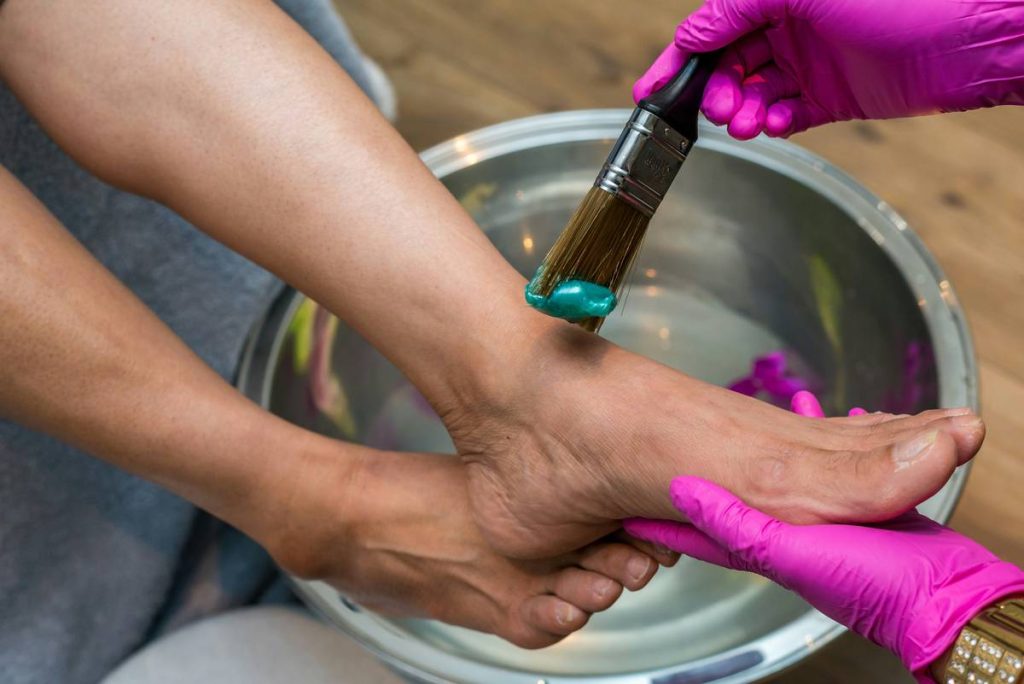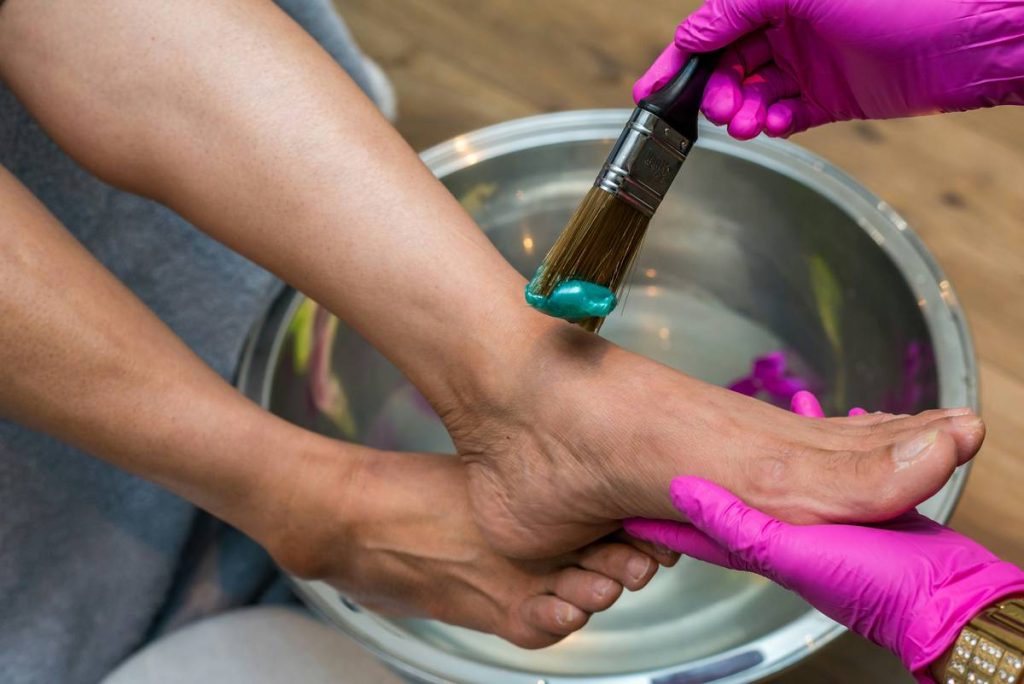
Ever slipped into sandals in May only to realize your feet look like they just hiked the Sahara… barefoot? You’re not alone. According to the American Academy of Dermatology, roughly 20% of adults experience cracked heels—a condition often worsened by neglect, ill-fitting shoes, or dry indoor heating. The good news? With the right foot skin care products and routine, you can transform your soles from sandpaper to silk.
In this guide, you’ll discover how to choose clinically effective foot skin care products, avoid common (and costly!) mistakes, and adopt a ritual that delivers real results—even if your feet have seen more winter boots than sunshine. We’ll break down everything from urea-based creams to pumice alternatives backed by dermatology, plus share hard-won lessons from years of treating stubborn calluses and moisture-resistant dryness.
Table of Contents
- Why Does Foot Skin Care Even Matter?
- How to Choose the Right Foot Skin Care Products (Step-by-Step)
- 5 Best Practices for a Daily Foot Care Routine
- Real Results: A 4-Week Foot Transformation Case Study
- FAQs About Foot Skin Care Products
Key Takeaways
- Not all foot creams are created equal—look for active ingredients like urea (10–25%), lactic acid, or salicylic acid.
- Occlusion (applying product then covering with socks) boosts absorption by up to 70%.
- Avoid “miracle cure” claims—cracked heels often stem from biomechanical issues, not just dryness.
- Consistency beats intensity: daily care > weekly spa marathons.
- Foot skin care isn’t vanity—it’s preventive health. Neglect can lead to infections like cellulitis.
Why Does Foot Skin Care Even Matter?
Let’s get real: feet are the most abused yet least pampered part of our bodies. They bear our entire weight, endure hours in sweaty socks and constricting shoes, and rarely see moisturizer unless summer forces us into open-toe footwear. I once went six months without exfoliating my heels—then tried wearing mules to a rooftop party. Big mistake. My feet felt—and looked—like fossilized leather.
This isn’t just cosmetic. The skin on your soles lacks sebaceous (oil) glands, making it naturally prone to dryness. Combine that with pressure, friction, and compromised circulation (especially in people over 50 or with diabetes), and you’ve got a recipe for fissures that can bleed or become infected.
The World Health Organization notes that foot complications are among the top reasons for hospitalization in diabetics, underscoring why proactive care is non-negotiable—not indulgence.
How to Choose the Right Foot Skin Care Products (Step-by-Step)
What ingredients should you actually look for?
Optimist You: “Just grab any ‘deep moisturizer’ at the drugstore!”
Grumpy You: “Ugh, fine—but only after we check the label.”
Here’s your cheat sheet:
- Urea (10–25%): A gold-standard humectant that breaks down dead keratin, softens calluses, and locks in moisture. Studies in the Journal of the European Academy of Dermatology show 20% urea creams significantly improve heel fissures in 28 days.
- Lactic Acid: Gently exfoliates while hydrating—ideal for sensitive skin.
- Salicylic Acid (6–12%): Penetrates oily buildup in thick calluses (but avoid if diabetic or pregnant).
- Petrolatum or Dimethicone: Occlusive barriers that prevent moisture loss overnight.
What delivery system works best?
Creams > lotions for feet. Lotions contain more water and evaporate too fast. Ointments (like petroleum jelly) are great for sealing in treatment but won’t exfoliate. For serious cracks, layer: exfoliant first, then urea cream, then ointment + cotton socks.
When should you skip DIY hacks?
I once soaked my feet in lemon juice and baking soda thinking it’d “brighten” them. Spoiler: it just stung like hell and did nothing. Citrus acids disrupt skin pH; baking soda is too abrasive. Stick to pH-balanced, dermatologist-tested formulas.
5 Best Practices for a Daily Foot Care Routine
- Exfoliate 2–3x/week: Use a foot file (not pumice—too porous, breeds bacteria) after showering when skin is soft.
- Apply treatment at night: Skin repairs fastest during sleep. Slather on urea cream, cover with socks.
- Wear breathable footwear: Cotton socks + leather/suede shoes reduce sweat buildup that leads to fungal issues.
- Stay hydrated internally: Dehydrated bodies pull moisture from extremities first—including feet.
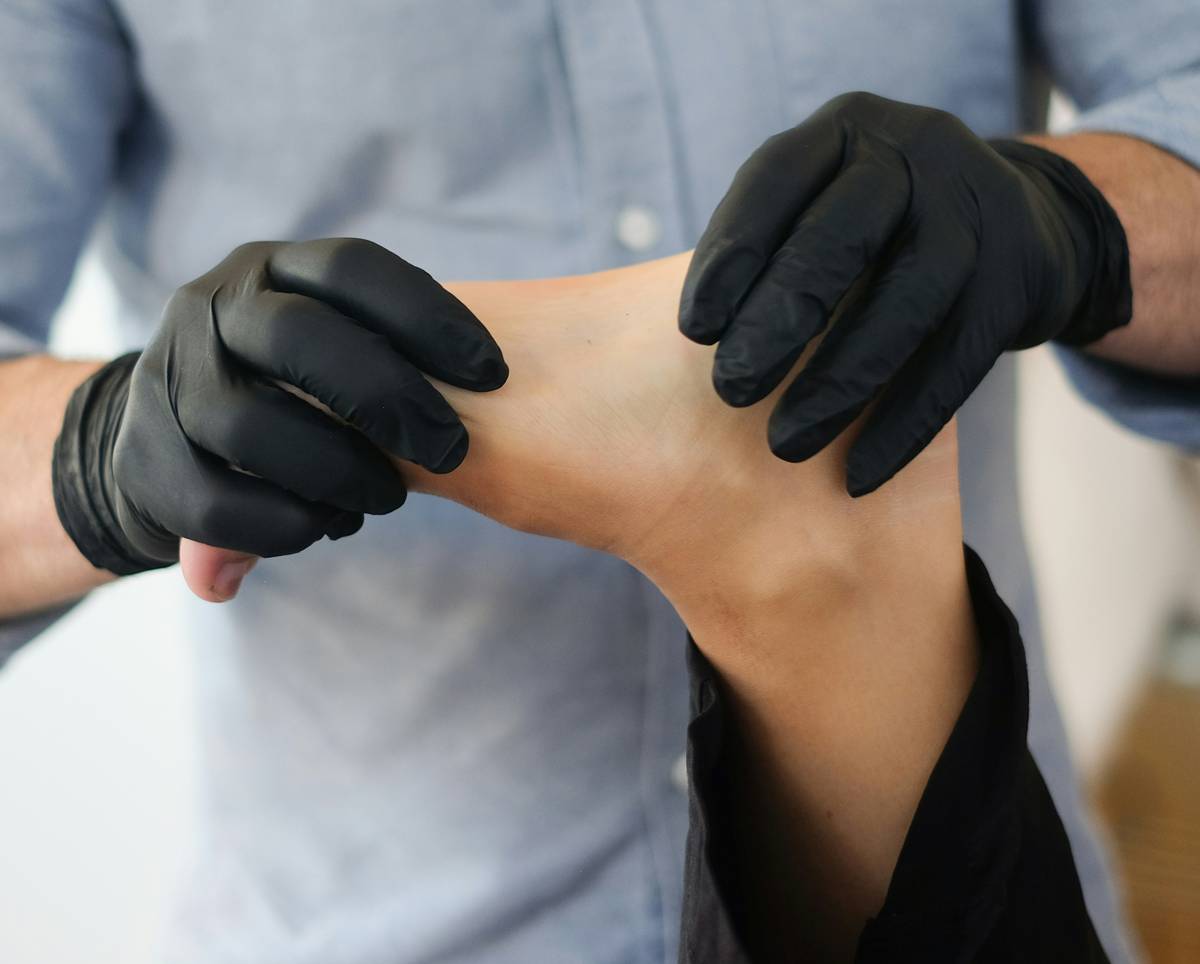
- Inspect weekly: Check for redness, swelling, or slow-healing cuts—early signs of infection.
Terrible Tip Alert 🚫
“Just peel off dead skin with your fingers!” Nope. This causes micro-tears that invite bacteria. Always use clean tools and moisturize immediately after exfoliation.
Real Results: A 4-Week Foot Transformation Case Study
Last winter, a client (let’s call her Maria) came to me with deep heel fissures that bled through her tights. She’d tried every drugstore “miracle cream” with zero results. We implemented a simple protocol:
- Night 1: Soak in warm water + 1 tbsp Epsom salt (5 mins max—long soaks dehydrate!)
- Use stainless steel foot file to gently buff calluses
- Apply AmLactin® Foot Cream (12% lactic acid + urea)
- Cover with cotton socks overnight
By Week 2, cracks began closing. By Week 4? Smooth enough for strappy sandals. No lasers, no $200 peels—just consistent, science-backed foot skin care products used correctly.
FAQs About Foot Skin Care Products
Can I use body lotion on my feet?
You can, but it won’t cut it for thick, dry areas. Body lotions lack the high concentrations of keratolytics (like urea) needed to penetrate callused skin.
Are foot peels safe?
Chemical foot peels (with glycolic/lactic acid) are generally safe for healthy skin—but avoid if you have diabetes, open wounds, or eczema. Patch test first!
How often should I replace my foot file?
Every 3–6 months. Bacteria build-up is real, and dull files tear skin instead of smoothing it.
Do expensive foot creams work better?
Not necessarily. Drugstore gems like Eucerin Advanced Repair Foot Cream (10% urea) outperform luxury brands that prioritize fragrance over function.
Conclusion
Your feet carry you through life—they deserve more than emergency sandal prep once a year. By choosing evidence-based foot skin care products rich in urea or lactic acid, committing to nightly occlusion, and ditching harmful DIY myths, you’ll not only heal cracked heels but prevent future damage. Remember: foot care is self-care with purpose. It’s comfort. Mobility. Confidence—in every step.
Now go treat those soles like the VIPs they are.
Like a Tamagotchi, your feet need daily attention—or they’ll ghost you with pain.
Rough skin cracks,
Socks stuffed with urea dreams—
Summer feet bloom.