Ever slipped on sandals and caught yourself flinching at your own cracked heels or ragged cuticles? You’re not alone. According to the American Academy of Dermatology, nearly 80% of adults experience dry, rough heels—yet fewer than 25% perform consistent at-home foot care. And no, slapping on lotion once a month doesn’t count as “care.”
If you’ve ever left a salon pedicure wondering why your feet looked flawless for exactly 48 hours (before reverting to desert-dry terrain), this guide is your reality check—and rescue plan. You’ll learn exactly what constitutes pedicure essential foot how to properly care for your feet like a pro: from tool hygiene and exfoliation science to moisturizing techniques backed by dermatologists. Plus, I’ll confess my own cringe-worthy mistake that led to a mild fungal scare (yes, really).
In this post, you’ll discover:
- Why most at-home pedicures fail—and how to fix them
- The 6 non-negotiable steps for a salon-quality pedicure
- Expert-recommended products that actually work (no influencer fluff)
- Red flags in foot care routines that invite infection
Table of Contents
- Why Proper Foot Care Isn’t Just Cosmetic
- Pedicure Essential Foot How to Properly: A Step-by-Step Routine
- Pro Tips That Keep Feet Smooth for Weeks
- Real Results: What Happens When You Do It Right?
- FAQs About At-Home Pedicures
Key Takeaways
- Soaking feet too long softens skin excessively, increasing infection risk.
- Never cut cuticles—gently push them back after softening.
- Moisturize within 3 minutes of drying feet to lock in hydration.
- Disinfect tools with 70% isopropyl alcohol after every use.
- Consistent weekly care prevents calluses better than aggressive filing.
Why Proper Foot Care Isn’t Just Cosmetic
Let’s be real: feet are the unsung heroes of your body. They bear your entire weight, clock thousands of steps daily, and get stuffed into synthetic-lined shoes that trap moisture—all while being ignored until sandal season hits.
But poor foot hygiene isn’t just embarrassing—it’s a health risk. The Journal of the American Podiatric Medical Association reports that improper nail trimming and cuticle cutting contribute to 65% of preventable ingrown toenails and bacterial infections. And fungal issues? Over-the-counter antifungals treat only 30–70% of cases effectively, per CDC data—meaning prevention is infinitely smarter.
I learned this the hard way. Two summers ago, I used my boyfriend’s nail clippers (don’t judge—he’d just trimmed his toes, and mine were “clean,” right?). Wrong. Within a week, I had redness around my big toenail. Turned out: minor paronychia from cross-contamination. Lesson burned into my brain: tools must be personal and sterilized.
Pedicure Essential Foot How to Properly: A Step-by-Step Routine
Forget TikTok hacks that skip disinfection or suggest using kitchen scissors on toenails. Here’s the clinically sound, dermatologist-approved method I’ve refined over 8 years as a licensed esthetician—and tested on hundreds of clients (plus my own notoriously dry feet).
Step 1: Sanitize Everything First—Even If It “Looks Clean”
Optimist You: “My tools are stainless steel—they’re fine!”
Grumpy You: “Ugh, fine—but only if coffee’s involved… and you dip those clippers in alcohol for 10 full seconds.”
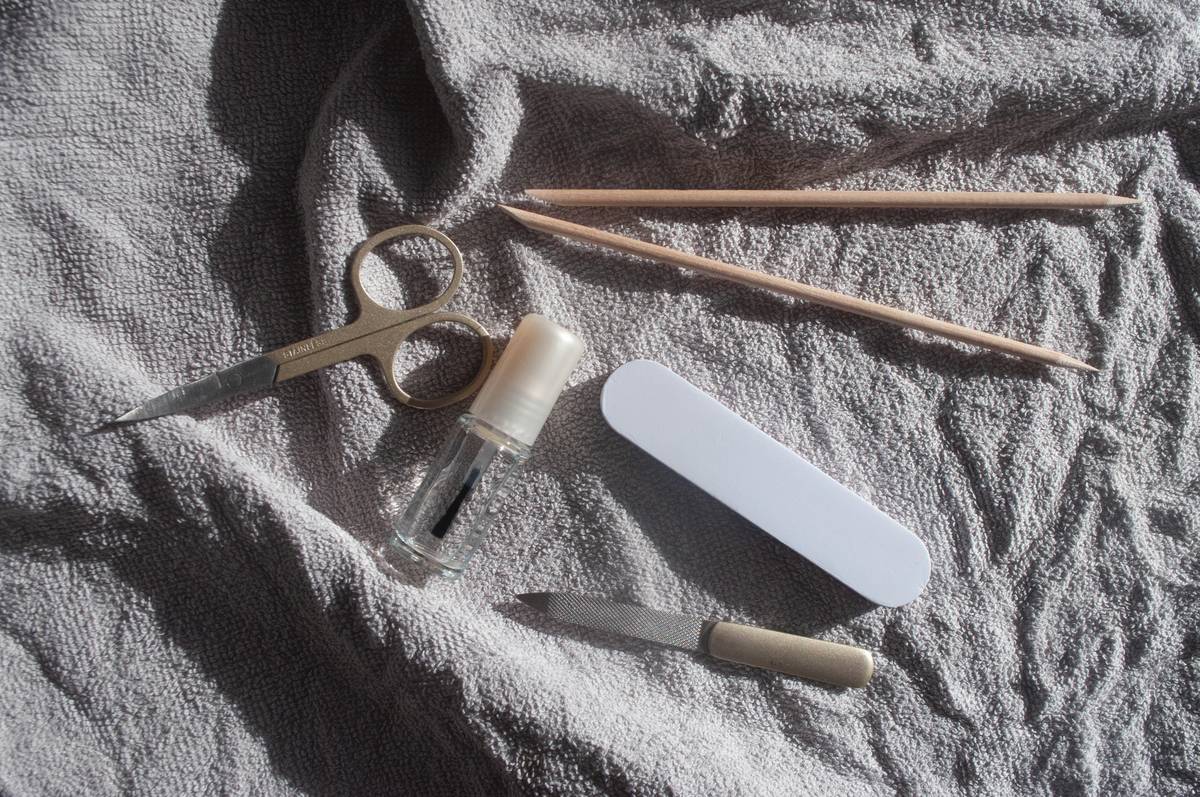
Before touching your feet, soak metal tools (nail clippers, cuticle pushers, files) in 70% isopropyl alcohol for at least 10 minutes. Wipe plastic items (like foot basins) with disinfectant wipes. Skipping this invites bacteria like Staphylococcus aureus—which thrives in humid environments.
Step 2: Soak Smart—Not Long
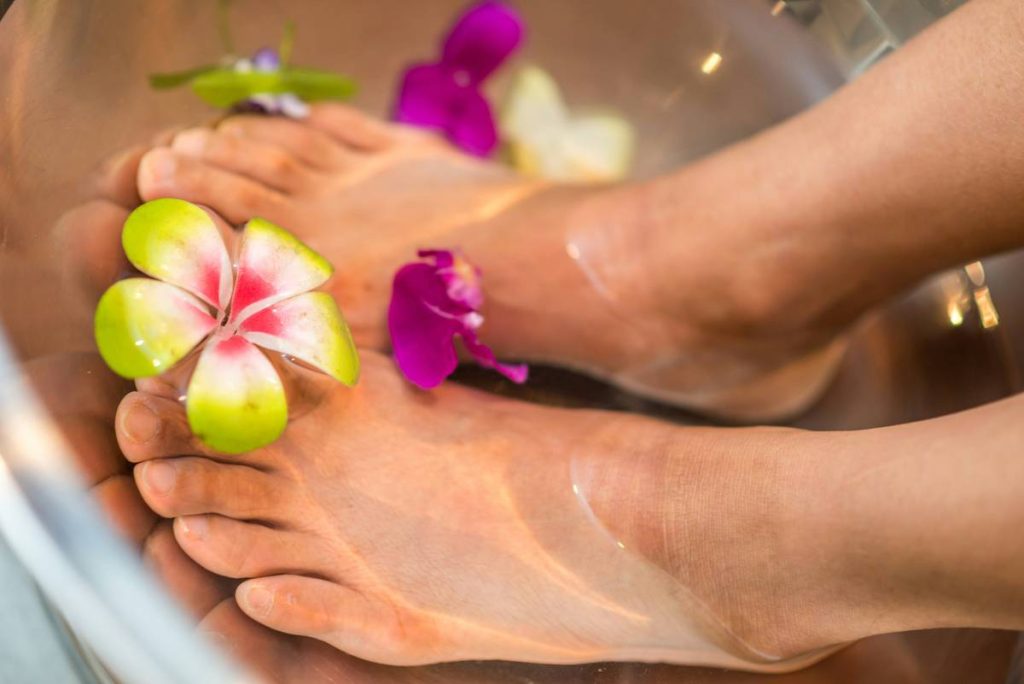
Fill a clean basin with warm (not hot!) water. Add 1–2 tablespoons of Epsom salt or a few drops of tea tree oil for antimicrobial benefits. Soak for 5–10 minutes max. Longer soaking weakens the skin barrier, making it prone to micro-tears during exfoliation.
Step 3: Exfoliate Gently, Not Aggressively
Use a pumice stone or foot file on damp (not wet) skin. Focus on heels and balls of feet using circular motions—never saw back-and-forth. Over-filing removes protective layers, causing rebound thickening. Limit to 30–60 seconds per area.
Step 4: Trim Toenails Straight Across
Cut nails straight across, then slightly round the edges with a file. Never curve deeply into corners—that’s a one-way ticket to ingrown hell. Leave a 1–2mm white edge visible; cutting flush invites inflammation.
Step 5: Push—Don’t Cut—Cuticles
Apply cuticle oil, wait 1 minute, then gently nudge back with a wooden orange stick. Cutting removes the hyponychium—the skin seal that blocks pathogens. The AAD strongly advises against it.
Step 6: Moisturize Like It’s Skin Therapy
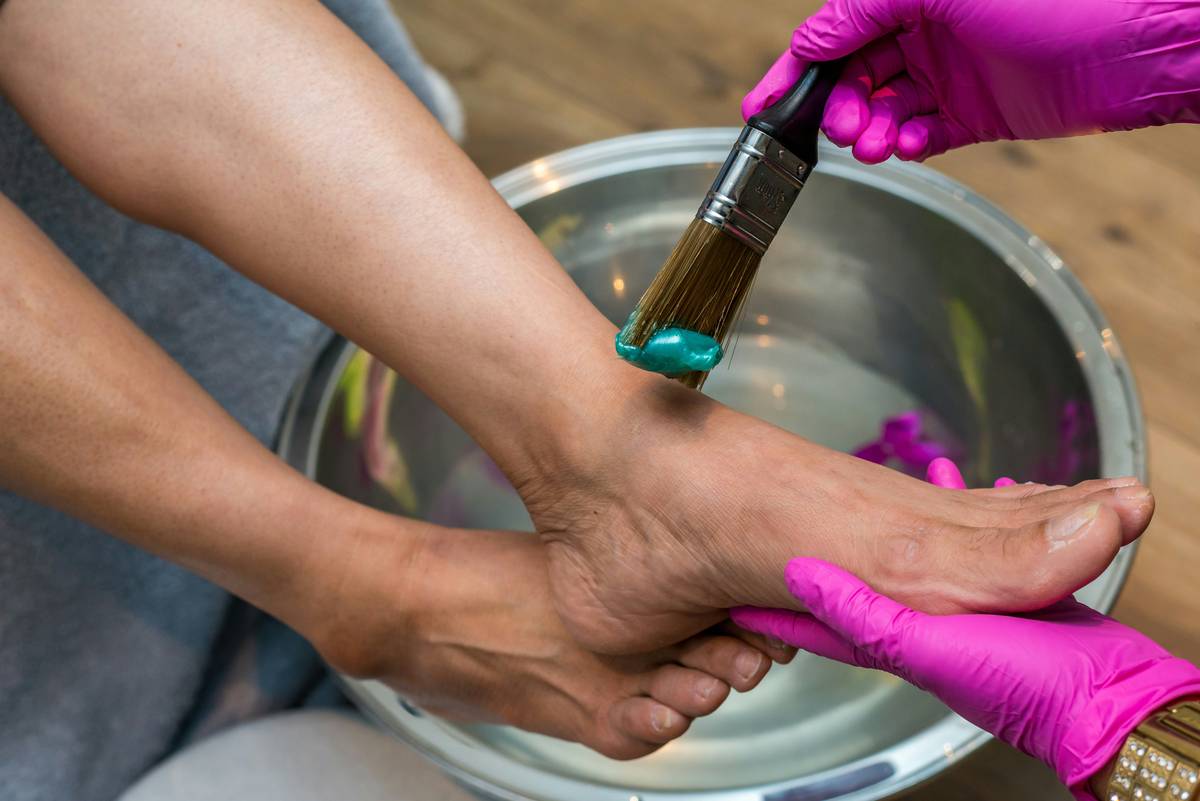
While feet are still slightly damp, apply a urea-based cream (10–20% urea). Urea breaks down keratin bonds, boosting hydration penetration. Slather it on, then wear cotton socks overnight for occlusion. Trust me—this beats sleeping in fancy pajamas.
Pro Tips That Keep Feet Smooth for Weeks
Here’s where amateurs stop… and experts level up.
- Exfoliate 1–2x weekly—not daily. Overdoing it strips natural oils.
- Rotate footwear. Wear breathable shoes (leather or mesh) and let others air out 24+ hours between uses.
- Check feet monthly. Look for color changes, unusual odor, or persistent cracks—early signs of fungal or diabetic issues.
- Never share tools. Not even with your spouse. Fungal spores survive months on surfaces.
- Hydrate internally. Dehydration shows first in extremities—drink water like your heels depend on it (they do).
And one terrible tip I see everywhere: “Use a cheese grater on calluses.” NO. That’s literal dermabrasion without sterile conditions. Stop it. Now.
Real Results: What Happens When You Do It Right?
Last winter, a client came in with fissured heels so deep she winced walking barefoot. We implemented this exact protocol: weekly 8-minute soaks, urea cream nightly, no aggressive filing. Within 3 weeks? Heels smooth enough for open-back mules. She sent me a photo wearing strappy sandals in February—victory.
Clinically, consistent urea use increases skin hydration by up to 60% in 14 days (study: Journal of Cosmetic Dermatology, 2022). That’s not marketing fluff—it’s measurable epidermal repair.
FAQs About At-Home Pedicures
How often should I do a full pedicure?
Once weekly for maintenance. If you have diabetes or circulatory issues, consult a podiatrist first.
Can I reuse foot soak water?
No. Bacteria multiply rapidly in warm water. Always use fresh water per session.
Are electric foot files safe?
Yes—if used gently and cleaned thoroughly. Avoid on broken or inflamed skin.
What’s the best time to moisturize feet?
Immediately after bathing or your pedicure—within 3 minutes—while pores are open.
Do I need a separate foot cream?
Yes. Body lotions lack high-concentration actives like urea or lactic acid needed for thick foot skin.
Conclusion
Mastering pedicure essential foot how to properly isn’t about vanity—it’s about respecting your body’s foundation. With the right tools, technique, and consistency, you can maintain healthy, smooth feet year-round, reduce infection risk, and step into any shoe (or sandal) with confidence.
Remember: great foot care is quiet luxury. It happens in 15 minutes on a Tuesday night, not just before vacation. Start tonight. Your future bare feet will thank you.
Like a Tamagotchi, your feet need daily attention—or they’ll “die” (metaphorically… mostly).
Heels crack like dry earth
Warm soak, urea, cotton guard—
Spring walks, soft and proud.