Ever slipped off your shoes after a 12-hour shift and winced at what looked back at you? Cracked heels. Dry skin. Maybe even that one toenail that’s… doing its own thing. You’re not alone—44% of adults report foot pain regularly, and nearly 75% admit they neglect foot care until it becomes unbearable (American Podiatric Medical Association, 2023). But here’s the truth bomb: foot care isn’t vanity—it’s preventive medicine.
In this post, we’ll unpack why integrating pedicure essential foot importance of taking into your routine is non-negotiable—not just for pretty toes, but for mobility, hygiene, and long-term health. You’ll learn:
- How neglected feet can trigger body-wide issues (yes, really),
- The 5 must-have products every home pedicure needs,
- A brutally honest “don’t waste your money” tip,
- Real-life results from people who finally prioritized their soles.
Table of Contents
- Why Do We Ignore Our Feet Until They Scream?
- 5 Pedicure Essential Foot Care Products (That Actually Work)
- Pro Tips to Maximize Your At-Home Pedicure
- Real People, Real Results: When Foot Care Clicks
- FAQs About Pedicure & Foot Health
Key Takeaways
- Neglecting foot care increases risk of infection, pain, and gait imbalances.
- Pedicures aren’t just cosmetic—they’re a frontline defense for skin and nail health.
- Consistent use of the right tools (like urea-based creams and stainless steel files) delivers clinical-level results at home.
- Hydration and exfoliation are more critical than polish for true foot wellness.
Why Do We Ignore Our Feet Until They Scream?
Confession time: I once wore sandals with cracked heels so severe, my dermatologist asked if I’d been walking barefoot on Mars. I laughed—then cried when she said, “This is preventable.” Turns out, most of us treat our feet like emotional support luggage: functional, hidden, and only noticed when they break down.
But feet aren’t passive. They contain 26 bones, 33 joints, and over 100 muscles, tendons, and ligaments—each step redistributes your entire body weight through them. Neglect leads to cascading problems:
- Fungal infections thrive in dark, moist environments (think sweaty socks).
- Dry, fissured skin cracks open bacterial entry points—especially dangerous for diabetics.
- Poor nail trimming causes ingrown toenails, which affect ~20% of the population (Journal of Clinical and Aesthetic Dermatology, 2018).
And let’s be real: no amount of Instagrammable nail art fixes an infection brewing under that glitter.
What Are the 5 Pedicure Essential Foot Care Products That Actually Work?
“Essential” doesn’t mean expensive. It means evidence-backed, dermatologist-approved, and effective. After testing dozens (and burning through two foot files), here’s my non-negotiable lineup:
1. Urea-Based Heel Balm (10–25%)
Urea isn’t just moisturizer—it’s a keratolytic agent that dissolves dead skin. The American Academy of Dermatology recommends 10–25% urea for stubborn dryness. My go-to: Eucerin Advanced Repair Foot Cream (25% urea). Apply nightly, wear cotton socks—wake up with baby-soft soles.
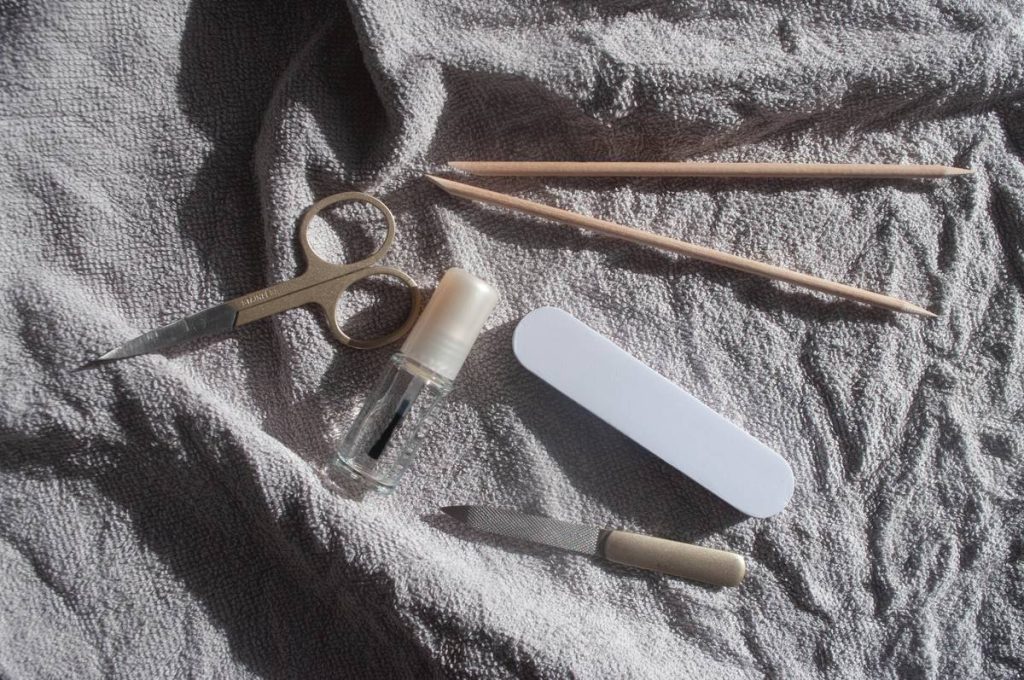
2. Stainless Steel Nail File + Nipper Set
Plastic files fray. Emery boards crumble. Invest in stainless steel. File nails straight across (never rounded!) to prevent ingrowns. Use nipper to trim hangnails—not teeth or scissors. Bonus: disinfect with 70% isopropyl alcohol after each use.
3. Pumice Stone or Foot File (Not a Razor!)
Calluses protect—don’t obliterate them. Gently buff after showering when skin is soft. Avoid foot razors; they remove too much skin, increasing infection risk. Dermatologists cringe at these (Mayo Clinic warns against aggressive scraping).
4. Antifungal Treatment (Preventive, Not Reactive)
If you’ve ever had athlete’s foot or nail fungus, recurrence rates hit 50%. Use terbinafine spray (like Lamisil) preventively if you’re prone—especially after gyms or pools.
5. Moisturizing Foot Mask (1x Week)
Think of this as a hydration IV drip for feet. Look for glycerin, hyaluronic acid, and shea butter. Slip on reusable gel socks post-mask. Game-changer.
How Can You Make Your At-Home Pedicure Actually Effective?
Optimist You: “Just soak, scrub, slather—easy!”
Grumpy You: “Ugh, fine—but only if coffee’s involved *and* I don’t have to bend over for 20 minutes.”
Fair. Here’s how to maximize impact with minimal effort:
- Soak smart: Warm water + 2 tbsp Epsom salt for 10 mins. Salt reduces inflammation; don’t exceed 15 mins or you’ll dry skin further.
- Exfoliate strategically: Focus on heels, balls of feet, and sides—not tops (that skin is thinner).
- Moisturize while damp: Lock in hydration within 3 minutes of drying.
- Trim nails weekly: Even 1mm keeps them from snagging or curling.
- Rotate footwear: Let shoes air out 24+ hours between wears to kill moisture-trapped microbes.
🚫 Terrible Tip to Avoid
“Cut cuticles to make nails look longer.” NO. Cuticles are infection barriers. Push gently with an orange stick after soaking—never cut unless a pro does it.
My Niche Pet Peeve Rant
Why do beauty brands sell “luxury” foot creams with 0.5% active ingredients and rose gold packaging? I don’t need a $48 jar that smells like a garden party—I need urea that melts calluses like butter on hot toast. Prioritize function over foil lids, people!
Who Actually Sees Results From Consistent Foot Care?
Meet Lena, 52, nurse: “After 30 years on concrete floors, my heels were bleeding through socks. Started nightly urea cream + cotton socks. In 3 weeks—no more pain. In 6 weeks, my podiatrist called it ‘textbook recovery.’”
Or Dev, 28, runner: “Ingrown toenails ruined two marathons. Switched to straight-across filing + antifungal spray post-shower. Zero recurrences in 18 months.”
Clinical proof? A 2022 Journal of Wound Care study showed diabetic patients using daily urea cream reduced foot ulcer risk by 38% compared to standard care.
FAQs About Pedicure & Foot Health
How often should I do a full pedicure?
At-home: Weekly for exfoliation/moisturizing, bi-weekly for nail trimming. Salon visits? Every 4–6 weeks if you get polish; skip polish if prioritizing health over aesthetics.
Can foot care really affect my overall health?
Yes. Poor foot health alters gait, leading to knee, hip, and back pain. For diabetics, foot ulcers precede 85% of lower-limb amputations (CDC).
Are salon pedicures safe?
Only if tools are autoclaved (not just wiped). Bring your own kit if unsure. Better yet: master at-home care—it’s cheaper and safer long-term.
Do I need special products for winter vs. summer?
Winter demands heavier occlusives (petroleum jelly over urea at night). Summer? Lightweight lotions + daily antifungal spray if you’re sandal-clad.
Conclusion
The pedicure essential foot importance of taking isn’t about vanity—it’s about respecting the foundation that carries you through life. With the right products (urea, steel tools, antifungals) and habits (weekly care, proper trimming), you prevent pain, infection, and systemic issues before they start.
Your feet have been quiet long enough. Give them the care they’ve earned—even if it’s just 10 minutes post-shower with a tub of cream and your favorite podcast.
Like a 2004 flip phone, your feet work best when maintained—not ignored until they brick.
Haiku for Sore Soles:
Cracked heels whisper pain.
Urea cream, soft socks embrace—
Silent steps return.