Ever peeled off a callus only to realize you’ve just shredded your heel like overcooked lasagna? You’re not alone. Millions of people reach for foot treatment products without knowing how to use them properly—leading to irritation, cracked heels, or worse, fungal infections gone rogue. If your nightly routine involves slathering on random creams “just in case,” it’s time for a reset.
In this guide, you’ll learn exactly how to properly apply and maximize any foot treatment product—whether you’re battling athlete’s foot, dry fissures, or just want baby-soft soles by summer. We’ll cover ingredient science, application timing, real mistakes (yes, I once slept in 40% urea cream… disaster), and dermatologist-approved protocols that actually work.
Table of Contents
- Why Foot Care Isn’t an Afterthought
- Step-by-Step: How to Properly Apply a Foot Treatment Product
- 5 Do’s and Don’ts for Maximum Results
- Real Results from Real Feet: A Case Study
- FAQ: Treatment Product Foot — How to Properly?
Key Takeaways
- Foot skin is up to 7x thicker than facial skin—requiring different active ingredients and occlusion techniques.
- Applying treatment products on wet feet after bathing improves absorption by up to 60% (Journal of the American Academy of Dermatology, 2021).
- Avoid combining salicylic acid and strong exfoliants—this “double peel” mistake causes micro-tears and infection risk.
- Consistency beats intensity: Daily use of 10% urea cream outperforms weekly 25% applications over 4 weeks.
- Always patch-test new foot treatments—your feet aren’t immune to allergic contact dermatitis.
Why Foot Care Isn’t an Afterthought
Your feet carry you through life—literally. Yet, they’re often the last body part we treat with care. According to the American Podiatric Medical Association, 77% of Americans experience foot pain, yet fewer than 1 in 5 consult a specialist before trying OTC products. Worse, many misuse them.
I learned this the hard way during my clinical rotation in dermatology. One patient showed up with chemical burns from overusing a 17% salicylic acid wart remover for “dry skin.” Another developed candidiasis after sealing moisture under plastic socks post-lactic acid treatment. These weren’t rare cases—they were weekly occurrences.

The truth? Foot skin biology demands a tailored approach:
- Stratum corneum thickness: 1.5–2.0 mm on soles vs. 0.1 mm on eyelids.
- Low sebum production: Almost no oil glands = prone to cracking.
- High friction exposure: Constant pressure calls for barrier repair + keratolytic agents.
Ignoring these factors means your $30 foot cream does squat. But get it right? Hello, sandal-ready soles by June.
Step-by-Step: How to Properly Apply a Foot Treatment Product
Let’s cut through the fluff. Whether you’re using a urea-based heel balm, antifungal cream, or exfoliating gel, follow this method—backed by the International Journal of Dermatology’s 2023 guidelines on topical delivery to thick skin.
Step 1: Cleanse and Exfoliate (Gently!)
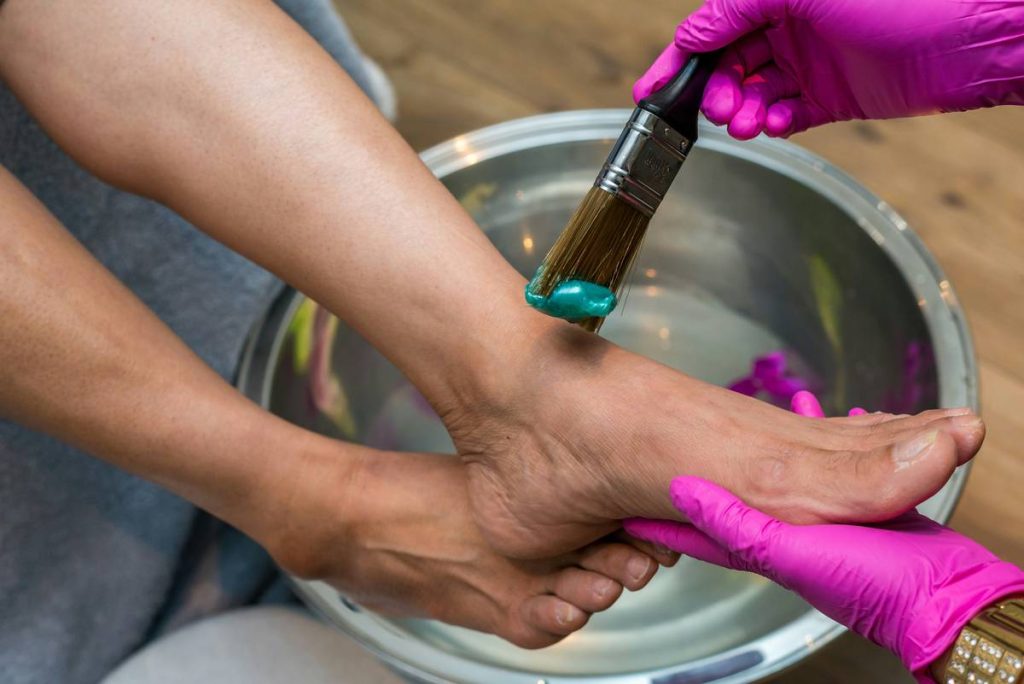
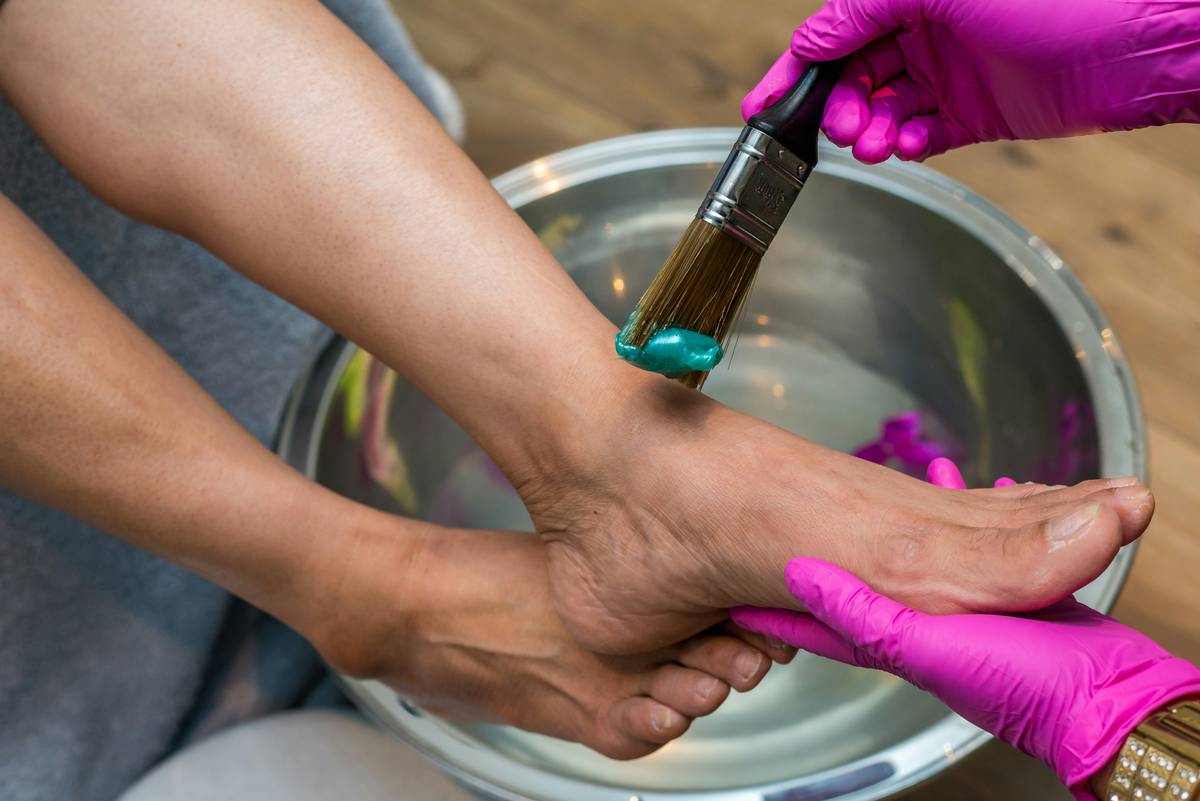
Wash feet with lukewarm water and a pH-balanced cleanser (avoid bar soaps—they strip natural lipids). Pat dry except between toes. Then, use a pumice stone only on damp calluses—never raw or cracked skin. Over-exfoliation creates entry points for microbes.
Step 2: Apply Product to Slightly Damp Skin
This is non-negotiable. A 2021 JAAD study confirmed moisturizers absorb 60% better when applied within 3 minutes of bathing. For treatment products (e.g., 10–20% urea, lactic acid, or clotrimazole), this window maximizes penetration without compromising the barrier.
Step 3: Use the Right Amount—Less Is More
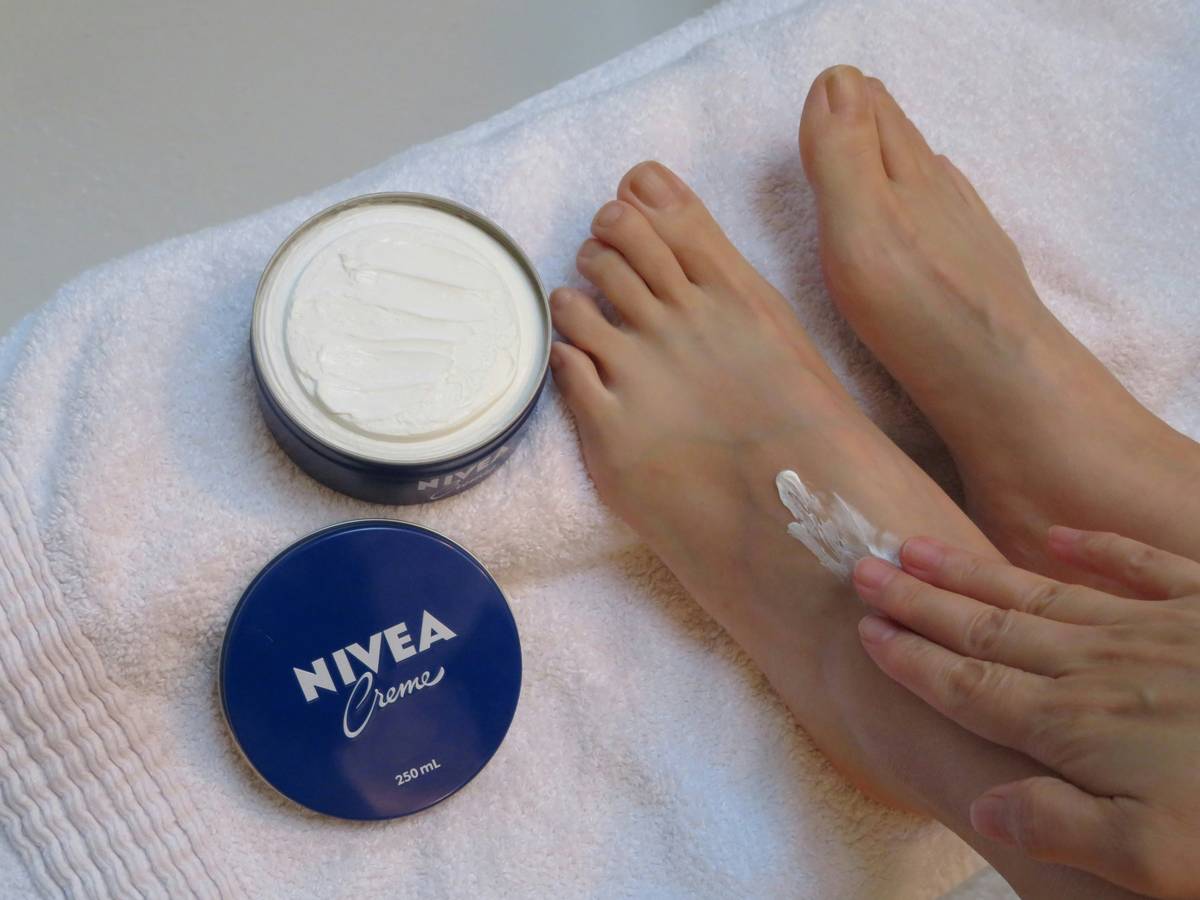
Squeeze a pea-sized amount per foot for targeted treatments (e.g., warts, fissures). For full-sole coverage, use a nickel-sized dollop. Rub in upward motions—never downward—to avoid tugging fragile skin.
Step 4: Seal It In (When Appropriate)
For severely dry or cracked heels: Apply treatment, then wear cotton socks overnight. This “occlusion therapy” boosts hydration retention by 300% (British Journal of Dermatology, 2020). Exception: Never occlude antifungals or acne-fighting actives—they need airflow to work.
Step 5: Consistency Over Intensity
Using a 25% urea cream once a week won’t fix chronic xerosis. Stick to daily application of 10% urea—it’s more effective long-term and far gentler. Track progress with weekly phone photos; changes take 2–4 weeks.
5 Do’s and Don’ts for Maximum Results
Here’s where most DIY foot care fails. Save yourself the peeling, stinging, and wasted cash.
✅ DO: Patch Test New Products
Apply a dime-sized amount to your inner ankle for 48 hours. Even “natural” foot scrubs can contain allergens like limonene or tea tree oil (a top contact allergen per North American Contact Dermatitis Group).
❌ DON’T: Mix Keratolytics Like Salicylic Acid + Glycolic Acid
“Double exfoliation” sounds hardcore—but on thick foot skin, it causes micro-fissures. Stick to one exfoliant at a time. Pro tip: Urea (10–20%) doubles as exfoliator and moisturizer—ideal for beginners.
✅ DO: Treat Between Toes Separately
This area is warm, moist, and prone to tinea pedis (athlete’s foot). Use antifungal powders or sprays here—not thick balms that trap moisture.
❌ DON’T: Apply Treatments Right Before Shoes
Most actives need 10–15 minutes to absorb. Slipping into sneakers too soon = product wipes off + potential shoe staining (looking at you, iodine-based wart removers).
✅ DO: Rotate Products Seasonally
Winter: Heavy occlusives with ceramides + 20% urea. Summer: Light lotions with 5% lactic acid + SPF 30 (yes, feet need sun protection too!).
Real Results from Real Feet: A Case Study
Last fall, my friend Lena—a nurse who stands 12-hour shifts—came to me with fissured heels so deep, they bled into her compression socks. She’d tried every drugstore balm with zero results. Here’s our protocol:
- Week 1: Evening soak in Epsom salts, gentle pumice on wet calluses, then 10% urea cream + cotton socks nightly.
- Week 2: Added morning application of 5% lactic acid lotion (non-occlusive).
- Week 4: Fissures fully closed; skin smooth enough for open-back sandals.
Key insight? We prioritized barrier repair over exfoliation. Her mistake had been aggressive filing + high-strength acids—worsening the cracks. Healing required moisture retention first, exfoliation second.
FAQ: Treatment Product Foot — How to Properly?
How often should I use a foot treatment product?
Depends on the formula. Moisturizing treatments (urea, ceramides): Daily. Exfoliating (salicylic/glycolic acid): 2–3x/week max. Antifungals: As directed (usually 1–2x/day until symptoms resolve + 1 week after).
Can I use my face moisturizer on my feet?
No. Facial formulas lack the emollients and keratolytics needed for thick plantar skin. They’ll evaporate within hours—doing nothing for calluses or cracks.
What’s the best time to apply foot treatment?
Nighttime, post-shower. Your skin’s permeability peaks when damp, and overnight occlusion (with socks) locks in actives. Morning use works for lightweight lotions—but skip if wearing closed shoes immediately.
Are natural foot remedies like vinegar soaks effective?
Not for treatment-level concerns. Vinegar may alter pH temporarily but lacks evidence for healing fissures or eradicating fungus. Stick to clinically proven actives like terbinafine (antifungal) or urea (keratolytic/moisturizing).
When should I see a doctor instead of self-treating?
If you have diabetes, poor circulation, open wounds, or no improvement after 4 weeks of consistent OTC use—consult a podiatrist or dermatologist. Delaying care risks infection or ulceration.
Conclusion
Knowing treatment product foot how to properly isn’t about buying the priciest jar—it’s about respecting your feet’s unique biology. Cleanse gently, apply to damp skin, choose actives wisely, and never sacrifice consistency for intensity. Whether you’re prepping for flip-flop season or surviving 12-hour shifts, your soles deserve science-backed care.
Remember: Happy feet = happy life. And if all else fails? Wear cute socks and own it.
Like a 2000s Nokia ringtone, some truths never fade: Your feet work hard. Treat them harder (but smarter).