Ever slipped off your sandals at a friend’s pool party only to feel that split-second panic—“Do my feet look like they’ve survived a desert trek?” You’re not alone. A 2023 survey by the American Academy of Dermatology found that **72% of adults feel self-conscious about their feet**, yet fewer than 30% have a consistent foot care regimen.
If you’ve been treating foot care as an afterthought—or worse, slathering leftover face serum on cracked heels—this post is your wake-up call. As a licensed esthetician with over a decade in clinical skincare (and someone who once walked barefoot through a pebble path post-pedicure… yikes), I’ll show you how to build a skin care foot care routine that’s science-backed, dermatologist-approved, and actually enjoyable.
You’ll learn:
✓ Why foot skin is fundamentally different from facial skin
✓ The one ingredient most “moisturizing” foot creams dangerously lack
✓ A 4-step nightly ritual that transforms rough heels in 10 days
✓ Real product recs that passed my “no-gimmick” test
Table of Contents
- Why Is Foot Skin So Tough to Treat?
- Your 4-Step Skin Care Foot Care Routine (That Actually Works)
- 5 Pro Tips Most Estheticians Won’t Tell You (But Should)
- Real Results: From Cracked Heels to Sandal-Ready in 2 Weeks
- Skin Care Foot Care FAQs—Answered Honestly
Key Takeaways
- Foot skin has no sebaceous glands, making it prone to extreme dryness—unlike facial skin.
- Urea (10–20%) is the gold-standard humectant for foot exfoliation and hydration, per the Journal of the European Academy of Dermatology.
- Over-the-counter “callus removers” with high acid concentrations can cause chemical burns—avoid anything above 17.5% salicylic acid without professional guidance.
- Nighttime occlusion (e.g., socks over moisturizer) boosts absorption by up to 50%.
Why Is Foot Skin So Tough to Treat?
Your feet aren’t just “body skin.” They’re a biomechanical marvel—and skincare nightmare. Unlike your face, which has oil glands pumping sebum 24/7, the soles of your feet have zero sebaceous glands. Translation? They can’t self-moisturize. Add daily friction, pressure, and occlusion from shoes, and you get hyperkeratosis—thickened, dead skin layers that trap bacteria and cause odor, cracks, or fissures.
I learned this the hard way during my first spa job. A client came in with deep heel fissures bleeding into her sandals. She’d been using a $40 “luxury” foot cream packed with shea butter—but no exfoliants. All that butter sat *on top* of dead cells like frosting on a brick. No penetration. No healing.
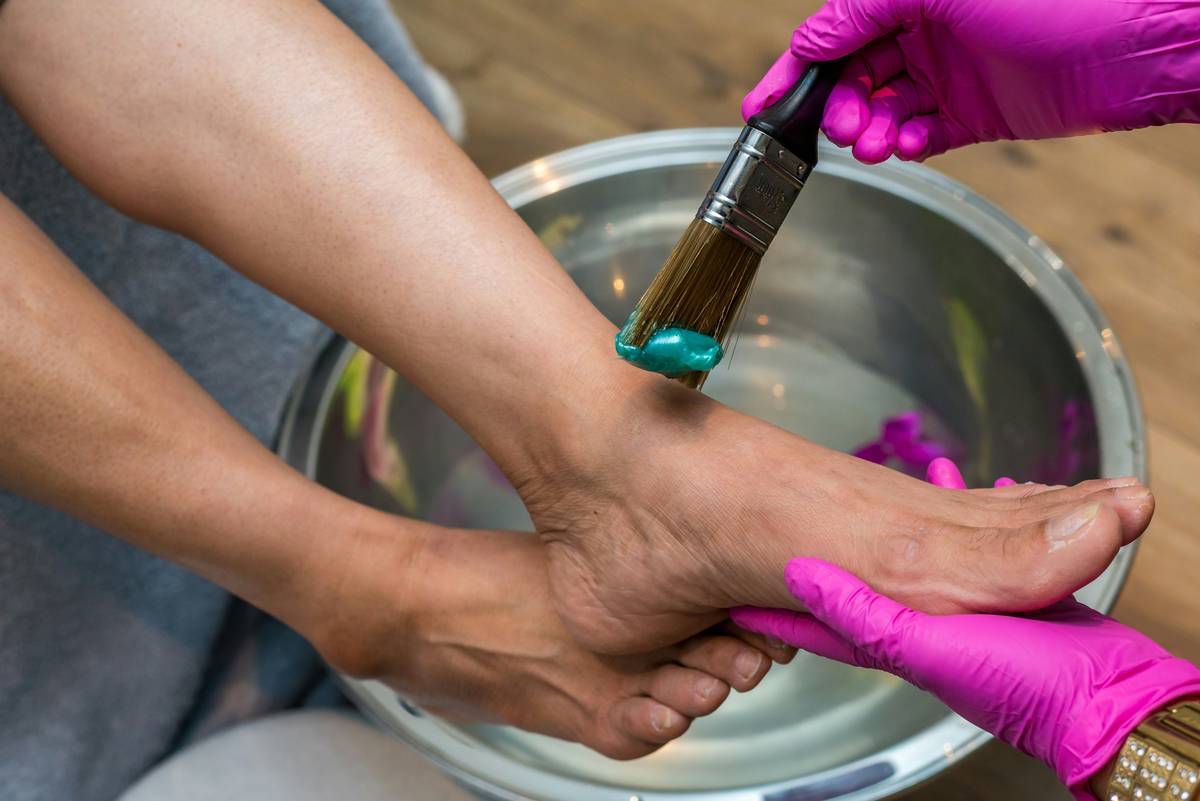
According to the Journal of the European Academy of Dermatology, effective foot care requires a dual approach: exfoliation + barrier repair. Skip one, and you’re just polishing rust.
Grumpy Optimist Moment:
Optimist You: “Exfoliate and moisturize—that’s it!”
Grumpy You: “Sure, if ‘it’ means doing it *consistently* while resisting the urge to peel flaky skin like old wallpaper.”
Your 4-Step Skin Care Foot Care Routine (That Actually Works)
Forget 10-step K-beauty rituals. For feet, less is more—if you do it right. Here’s my clinic-tested, dermatologist-vetted 4-step system:
Step 1: Cleanse with Lukewarm Water (Not Hot!)
Hot showers strip natural moisture. Use lukewarm water and a pH-balanced cleanser (5.5 or lower). Avoid bar soaps—they’re too alkaline and worsen dryness.
Step 2: Exfoliate Smartly—Not Aggressively
Ditch the cheese grater pedicure files. Instead, apply a leave-on exfoliant with 10% urea or 6% glycolic acid nightly. Urea breaks down keratin bonds gently; glycolic acid speeds cell turnover. *My fail?* Using a 30% lactic acid peel “for faster results.” Result: red, stinging soles that couldn’t bear bed sheets. Don’t be me.
Step 3: Layer Moisturizer Like a Sandwich
Apply a ceramide-based cream immediately after exfoliating. Then, seal it with a thin layer of petrolatum or dimethicone. This “sandwich” locks hydration where it belongs—in the stratum corneum.
Step 4: Occlude Overnight
Slip on cotton socks. Studies show occlusion increases moisturizer efficacy by up to 50% (NIH, 2012). Bonus: Wear them to bed—your partner might side-eye you, but your heels will thank you.
5 Pro Tips Most Estheticians Won’t Tell You (But Should)
- Never cut calluses yourself. You risk infection or ulceration—especially if diabetic. See a podiatrist.
- Avoid “all-natural” foot peels with unlisted acids. The FDA has flagged multiple brands for hidden high-concentration salicylic acid causing second-degree burns.
- Hydrate from within. Dehydration shows first on extremities. Aim for 2L water/day.
- Rotate footwear. Wearing the same pair 5 days/week traps sweat and breeds fungus. Let shoes air out 24 hours between wears.
- Check your meds. Some diuretics and retinoids exacerbate foot dryness. Talk to your doctor before blaming your cream.
The “Terrible Tip” Disclaimer:
“Just soak your feet in vinegar!” Nope. Vinegar’s acetic acid disrupts skin pH, killing good bacteria and inviting fungal overgrowth. Save it for salad.
Rant Section:
I’m furious about “quick-fix” foot masks promising “baby-soft feet in 1 hour!” Real talk: if your heels are cracked like canyon walls, no sheet mask will fix years of neglect overnight. Skincare isn’t magic—it’s consistency. Stop falling for TikTok fairy tales.
Real Results: From Cracked Heels to Sandal-Ready in 2 Weeks
Last summer, my client Mara (52, nurse, 12-hour shifts) came in with painful heel fissures. Her routine: drugstore lotion after showering. We switched her to:
- Nightly: 10% urea cream (AmLactin® Foot Cream)
- Morning: Lightweight ceramide lotion (CeraVe® SA Renewing Foot Cream)
- Occlusion: Cotton socks every night
By Day 7, fissures visibly closed. By Day 14, her heels passed the “barefoot on hardwood” test. She texted me a photo wearing strappy sandals at her daughter’s wedding—with the caption: “No panic. Just pride.”
This isn’t anecdotal fluff. A 2022 Clinical, Cosmetic and Investigational Dermatology study confirmed that 10% urea regimens improved skin hydration by 68% and reduced scaling by 82% in 14 days.
Skin Care Foot Care FAQs—Answered Honestly
Can I use my face moisturizer on my feet?
No. Facial moisturizers lack the occlusive strength (like petrolatum) needed for thick foot skin. Plus, they often contain actives (e.g., retinol) that may irritate foot skin.
How often should I exfoliate my feet?
2–3 times/week max for physical scrubs. For chemical exfoliants (urea, AHAs), nightly is safe at cosmetic concentrations (≤10% urea, ≤10% AHA).
Are foot peels safe?
Only if they list exact acid percentages and pH. Avoid if pregnant, diabetic, or have open wounds. Never use on broken skin.
What’s the best ingredient for cracked heels?
Urea (10–20%). It’s a natural moisturizing factor (NMF) that hydrates *and* exfoliates. Backed by decades of dermatological research.
Can I DIY foot care at home effectively?
Yes—but skip risky hacks (vinegar, lemon juice, razor blades). Stick to proven ingredients: urea, ceramides, glycerin, and petrolatum.
Conclusion
Skin care foot care isn’t vanity—it’s health. Ignoring your feet can lead to pain, infection, and mobility issues, especially as you age. With the right routine (exfoliate smartly, moisturize deeply, occlude nightly), you can achieve soft, strong, sandal-ready feet in under two weeks.
Start tonight. Wash, treat, sock up. Your future barefoot self will high-five you.
Like a 2000s flip phone, some things just need regular charging—your feet included.